
- Browse Category
Subjects
 We Begin at the EndLearn More
 - Choice Picks
- Top 100 Free Books
- Blog
- Recently Added
- Submit your eBook
- Browse Category
We Begin at the EndLearn More
- Choice Picks
- Top 100 Free Books
- Blog
- Recently Added
- Submit your eBook
The V-chip Debate: Content Filtering From Television to the Internet
2021-05-26 05:51:31
The V-chip is a highly significant part of the discussion about whether television (or broadcasting in general) deserves some special attention in terms of its accessibility to children, its particular power to affect conduct, and its invasiv...
Read more
The V-chip is a highly significant part of the discussion about whether television (or broadcasting in general) deserves some special attention in terms of its accessibility to children, its particular power to affect conduct, and its invasiveness. But as this notion of filtering and labeling has caught the imagination of the regulator, the legislator, and all those who wish to consider new ways to alter bargaining over imagery in society, the veryideaof the V-chip or its equivalent is moving across other technologies, including the Internet. The V-chip issue has also fueled the ongoing debate about violence and sexual practices in society, and how representations on television relate to those practices.
Although the initial concept of the V-chip is simple, its flow into the public realm raises so many extraordinary questions that the introduction and production of the chip virtually serves as a case study in problems of law and public policy. The very conceptualization of speech in society is being affected by this issue. Accordingly, the place of the V-chip in this debate is increasingly important; indeed, it may be argued that the V-chip''s contribution to legal argumentation may be greater than its ultimate contribution to the relationship between children and imagery. Among the questions the contributors address are:
*What research basis is necessary to require a framework for labeling and rating?
*What relationship between government and the image-producing industries can be characterized--for constitutional and other reasons--as voluntary as opposed to coercive?
*Who should evaluate these images?
*To what extent should the evaluation process be centralized and/or distributed?
*What assessment is appropriate to evaluate whether the experiment is "successful?"
In addition to the V-chip''s origin''s in Canada and its further evolution in the United States, this book discusses the development of the V-chip and television rating systems in Europe, Australia, and throughout the world. It also includes essays which contrast the very different approaches in Canada and the United States in terms of the role of regulatory agency, industry, and government.
Less
Although the initial concept of the V-chip is simple, its flow into the public realm raises so many extraordinary questions that the introduction and production of the chip virtually serves as a case study in problems of law and public policy. The very conceptualization of speech in society is being affected by this issue. Accordingly, the place of the V-chip in this debate is increasingly important; indeed, it may be argued that the V-chip''s contribution to legal argumentation may be greater than its ultimate contribution to the relationship between children and imagery. Among the questions the contributors address are:
*What research basis is necessary to require a framework for labeling and rating?
*What relationship between government and the image-producing industries can be characterized--for constitutional and other reasons--as voluntary as opposed to coercive?
*Who should evaluate these images?
*To what extent should the evaluation process be centralized and/or distributed?
*What assessment is appropriate to evaluate whether the experiment is "successful?"
In addition to the V-chip''s origin''s in Canada and its further evolution in the United States, this book discusses the development of the V-chip and television rating systems in Europe, Australia, and throughout the world. It also includes essays which contrast the very different approaches in Canada and the United States in terms of the role of regulatory agency, industry, and government.
Less

Compare Prices
| Store | Availability | Book Format | Condition | Price |
|---|---|---|---|---|
| Indigo Books & Music | In Stock | Buy CAD 38.95 |
Available Discount
No Discount available
Related Books
View All
Made for Me

The Silent Woman (Cat Carlisle, Book 1)

Secrets Between Us: An absolutely gripping psychological thriller
Can't Make This Stuff Up!: Finding the Upside to Life's Downs
Clean & Lean: 30 Days, 30 Foods, a New You!

You Be You: Detox Your Life, Crush Your Limitations, and Own Your Awesome

American Moonshot: John F. Kennedy and the Great Space Race
Trillion Dollar Coach: The Leadership Playbook of Silicon Valley's Bill Campbell

Going to School

Good Night, Little Blue Truck

Row, Row, Row Your Boat (Indestructibles Series)
Falter: Has the Human Game Begun to Play Itself Out?
The Pout-Pout Fish

We Are Not Friends (You Are Not Small)

The Wonderful Things You Will Be

Life Will Be the Death of Me: ...And You Too!

Feed Your Best Friend Better: Easy, Nutritious Meals and Treats for Dogs

Twinkle, Twinkle, Little Star (Indestructibles Series)
Diary of an Awesome Friendly Kid: Rowley Jefferson's Journal

The Secret Wife: A captivating story of romance, passion and mystery

There Was an Old Lady Who Swallowed a Chick!

House of Shadows: An Enthralling Historical Mystery
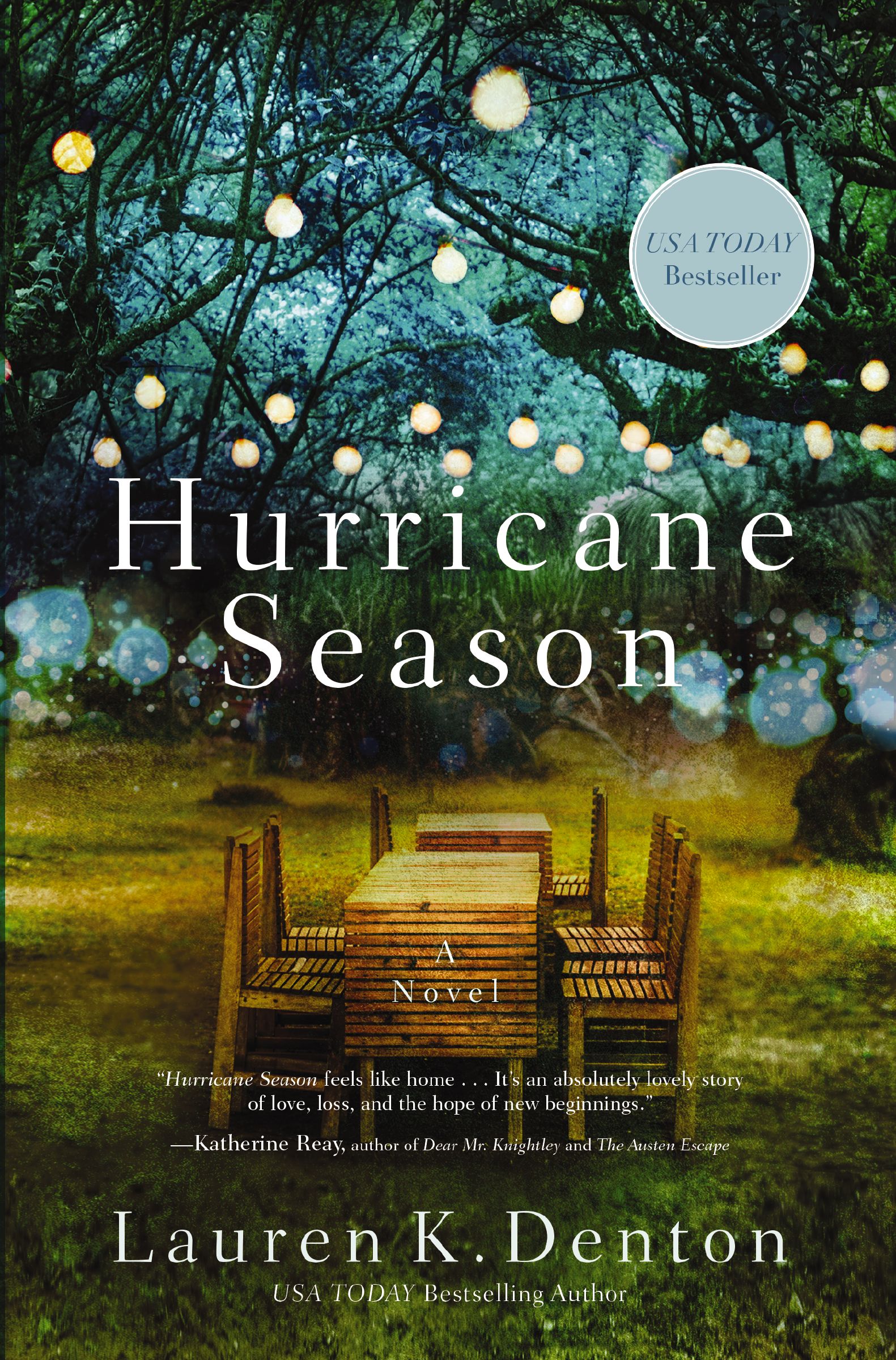
Hurricane Season
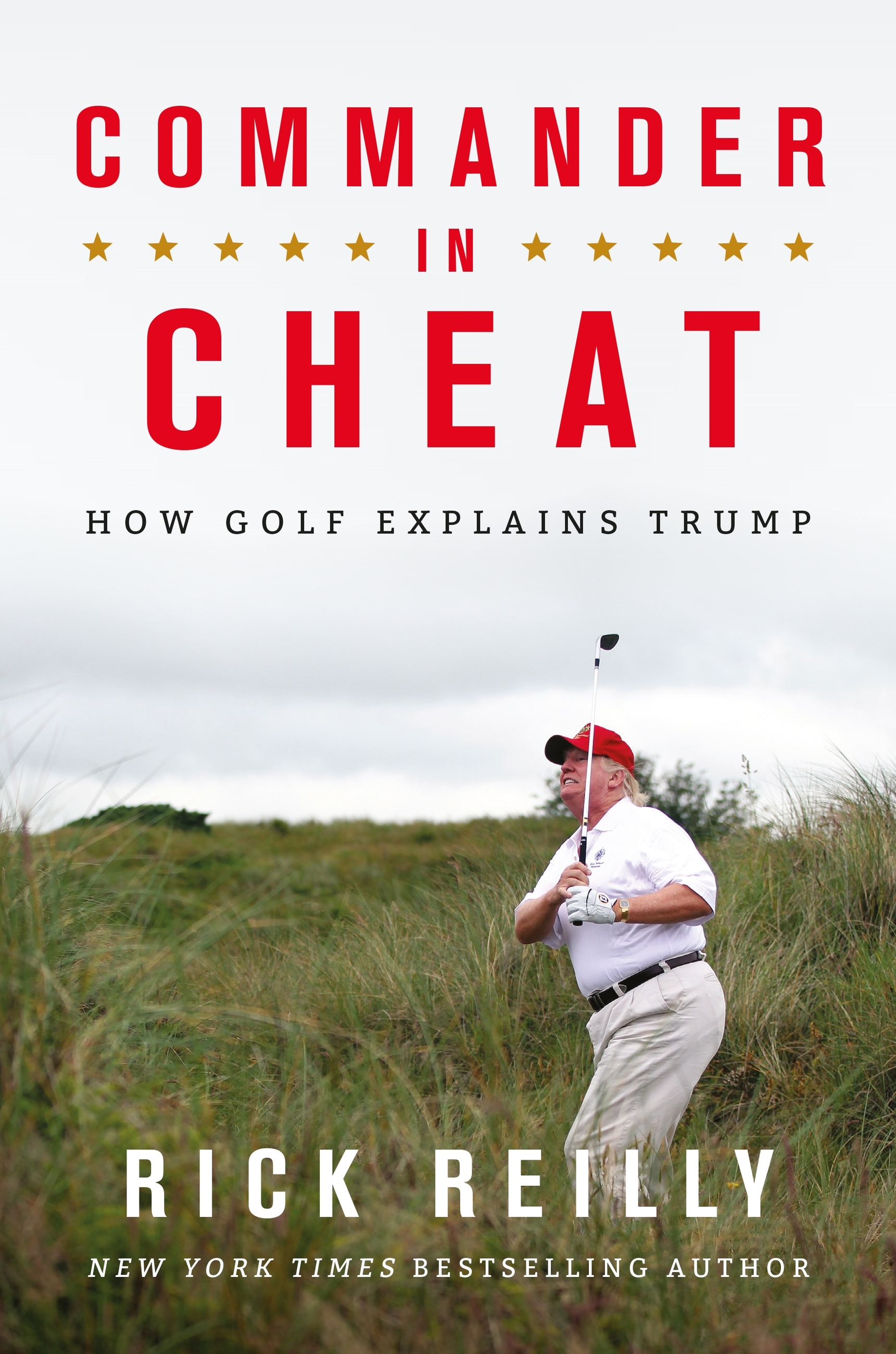
Commander in Cheat: How Golf Explains Trump

The Book Club

Settings
Reflow text when sidebars are open.
