
- Browse Category
Subjects
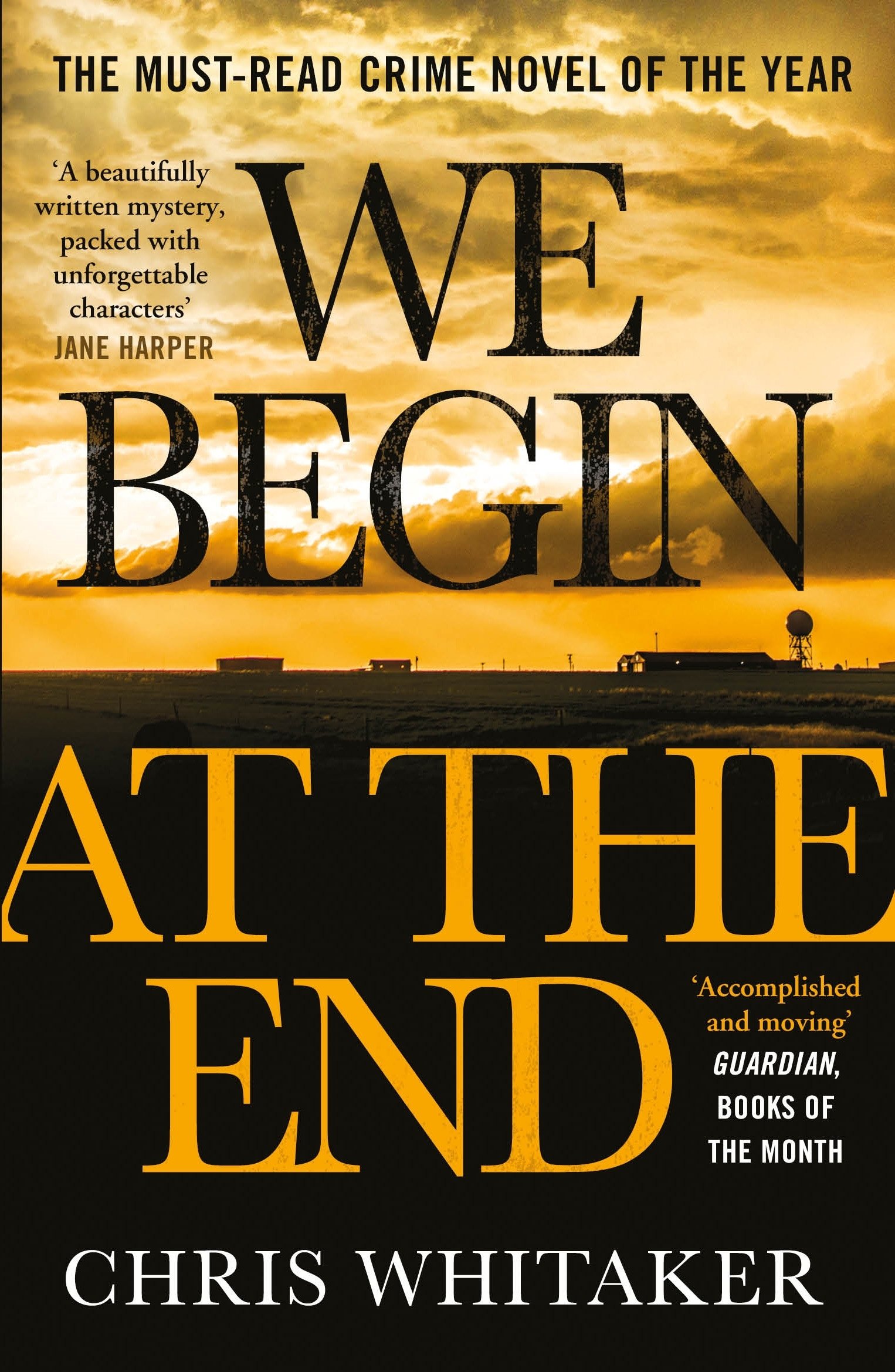 We Begin at the EndLearn More
 - Choice Picks
- Top 100 Free Books
- Blog
- Recently Added
- Submit your eBook
- Browse Category
We Begin at the EndLearn More
- Choice Picks
- Top 100 Free Books
- Blog
- Recently Added
- Submit your eBook
These Fiery Frenchified Dames: Women And Political Culture In Early National Philadelphia
2021-01-08 02:50:11
On July 4, 1796, a group of women gathered in York, Pennsylvania, to celebrate the twentieth anniversary of American independence. They drank tea and toasted the Revolution, the Constitution, and, finally, the rights of women. This event would have b...
Read more
On July 4, 1796, a group of women gathered in York, Pennsylvania, to celebrate the twentieth anniversary of American independence. They drank tea and toasted the Revolution, the Constitution, and, finally, the rights of women. This event would have been unheard of thirty years before, but a popular political culture developed after the war in which women were actively involved, despite the fact that they could not vote or hold political office. This newfound atmosphere not only provided women with opportunities to celebrate national occasions outside the home but also enabled them to conceive of possessing specific rights in the young republic and to demand those rights in very public ways.
Susan Branson examines the avenues through which women''s presence became central to the competition for control of the nation''s political life and, despite attempts to quell the emerging power of women—typified by William Cobbett''s derogatory label of politically active women as "these fiery Frenchified dames"—demonstrates that the social, political, and intellectual ideas regarding women in the post-Revolutionary era contributed to a more significant change in women''s public lives than most historians have recognized.
As an early capital of the United States, the leading publishing center, and the largest and most cosmopolitan city in America during the eighteenth century, Philadelphia exerted a considerable influence on national politics, society, and culture. It was in Philadelphia that the Federalists and Democratic Republicans first struggled for America''s political future, with women''s involvement critical to the outcome of their heated partisan debates. Middle and upper-class women of Philadelphia were able to achieve a greater share in the culture and politics of the new nation through several key developments, including theaters and salons that were revitalized following the war, allowing women to intermingle and participate in political discussions, and the wider availability of national and international writings, particularly those that described women''s involvement in the French Revolution—perhaps the most important and controversial historical event in the early development of American women''s political consciousness.
Given these circumstances, Branson argues, American women were able to create new more active social and political roles for themselves that brought them out of the home and into the public sphere. Although excluded from the formal political arenas of voting and lawmaking, American women in the Age of Revolution nevertheless thought and acted politically and were able to make their presence and opinions known to the benefit of a young nation.
Less
Compare Prices
| Store | Availability | Book Format | Condition | Price |
|---|---|---|---|---|
| Indigo Books & Music | In Stock | Paperback | Paperback | Buy CAD 32.99 |
Available Discount
No Discount available
Related Books
View All
We Are Not Friends (You Are Not Small)
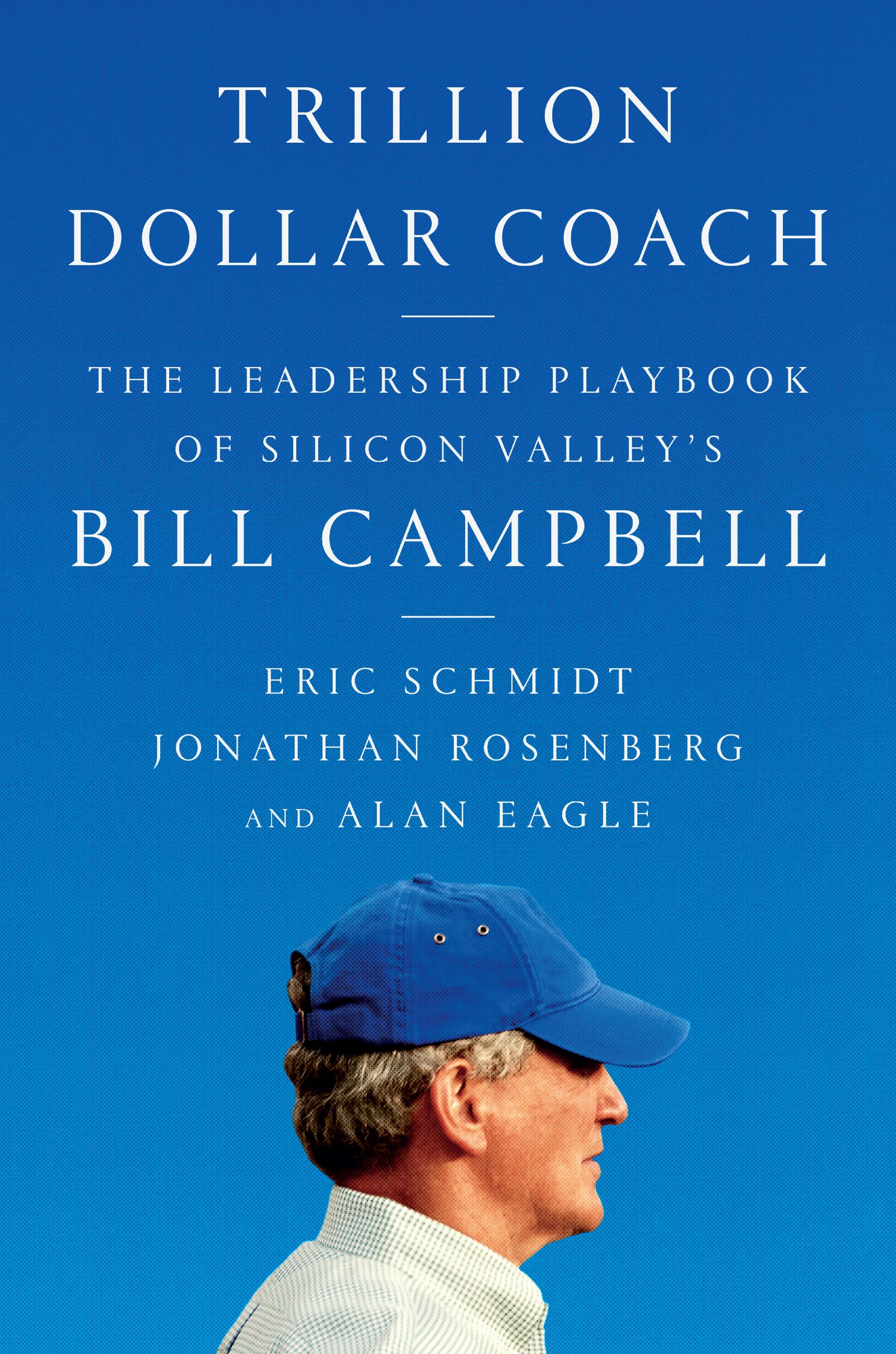
Trillion Dollar Coach: The Leadership Playbook of Silicon Valley's Bill Campbell

The Book Club
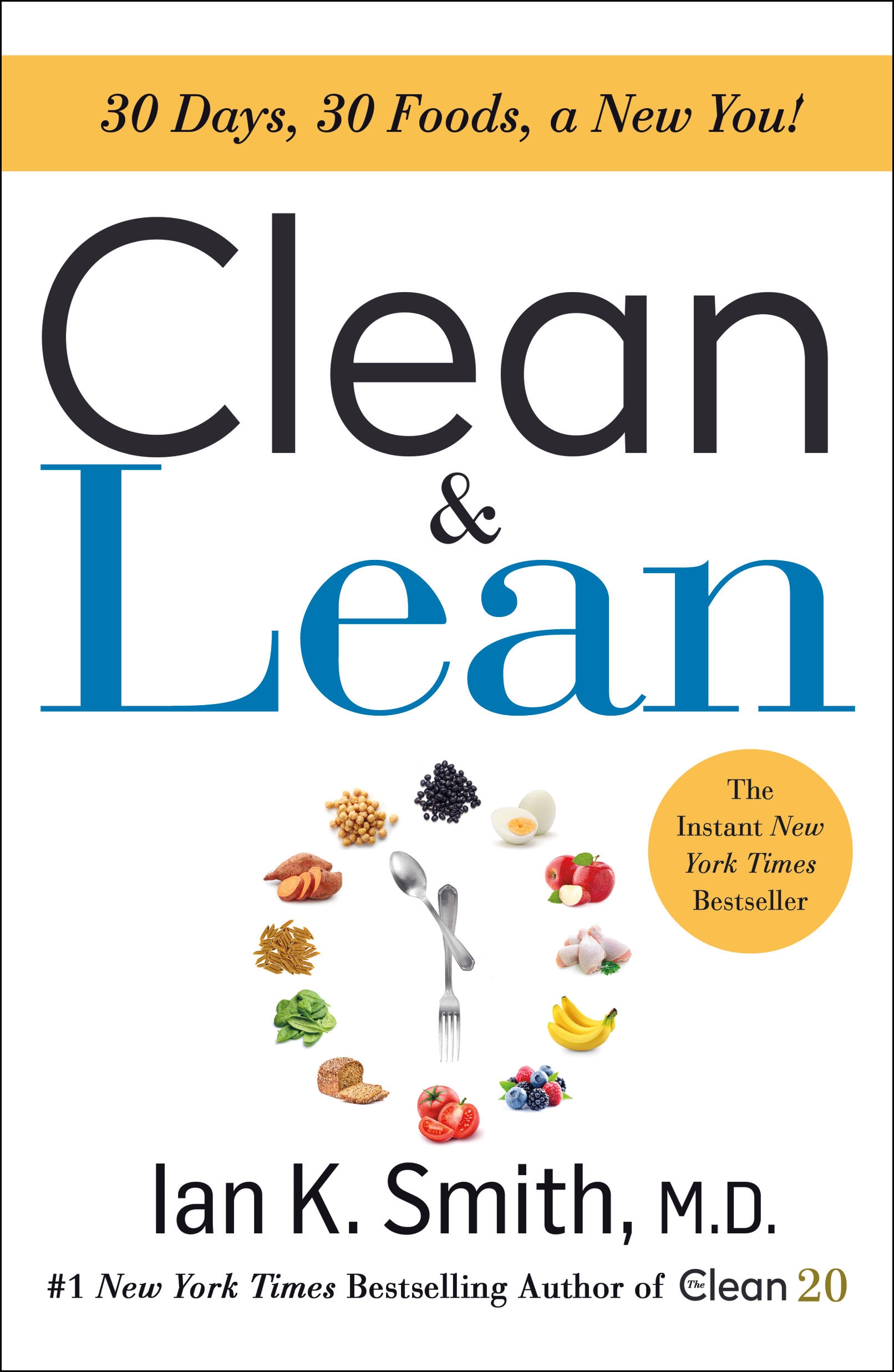
Clean & Lean: 30 Days, 30 Foods, a New You!

Life Will Be the Death of Me: ...And You Too!

House of Shadows: An Enthralling Historical Mystery

Twinkle, Twinkle, Little Star (Indestructibles Series)
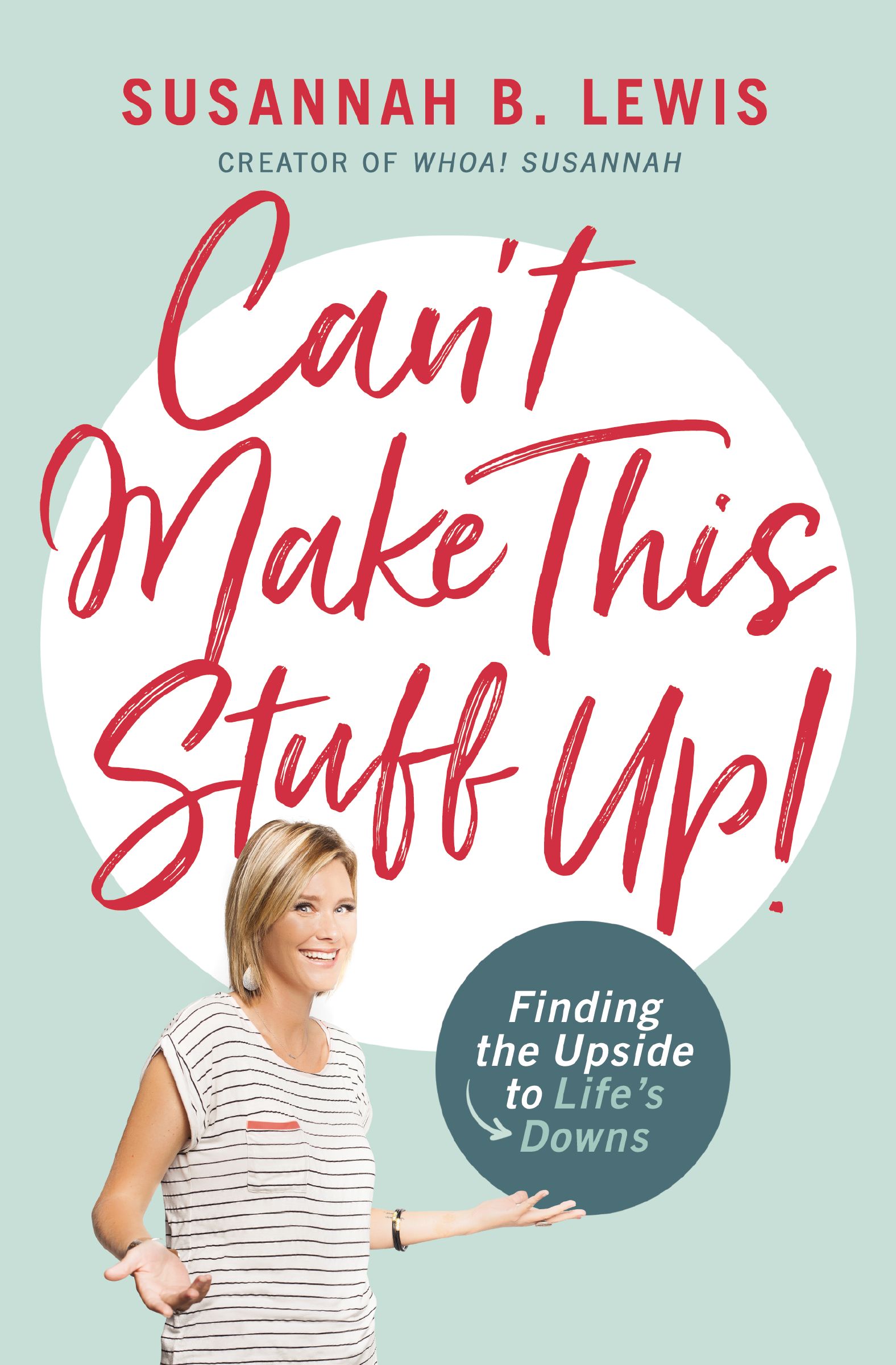
Can't Make This Stuff Up!: Finding the Upside to Life's Downs

The Silent Woman (Cat Carlisle, Book 1)

You Be You: Detox Your Life, Crush Your Limitations, and Own Your Awesome

American Moonshot: John F. Kennedy and the Great Space Race
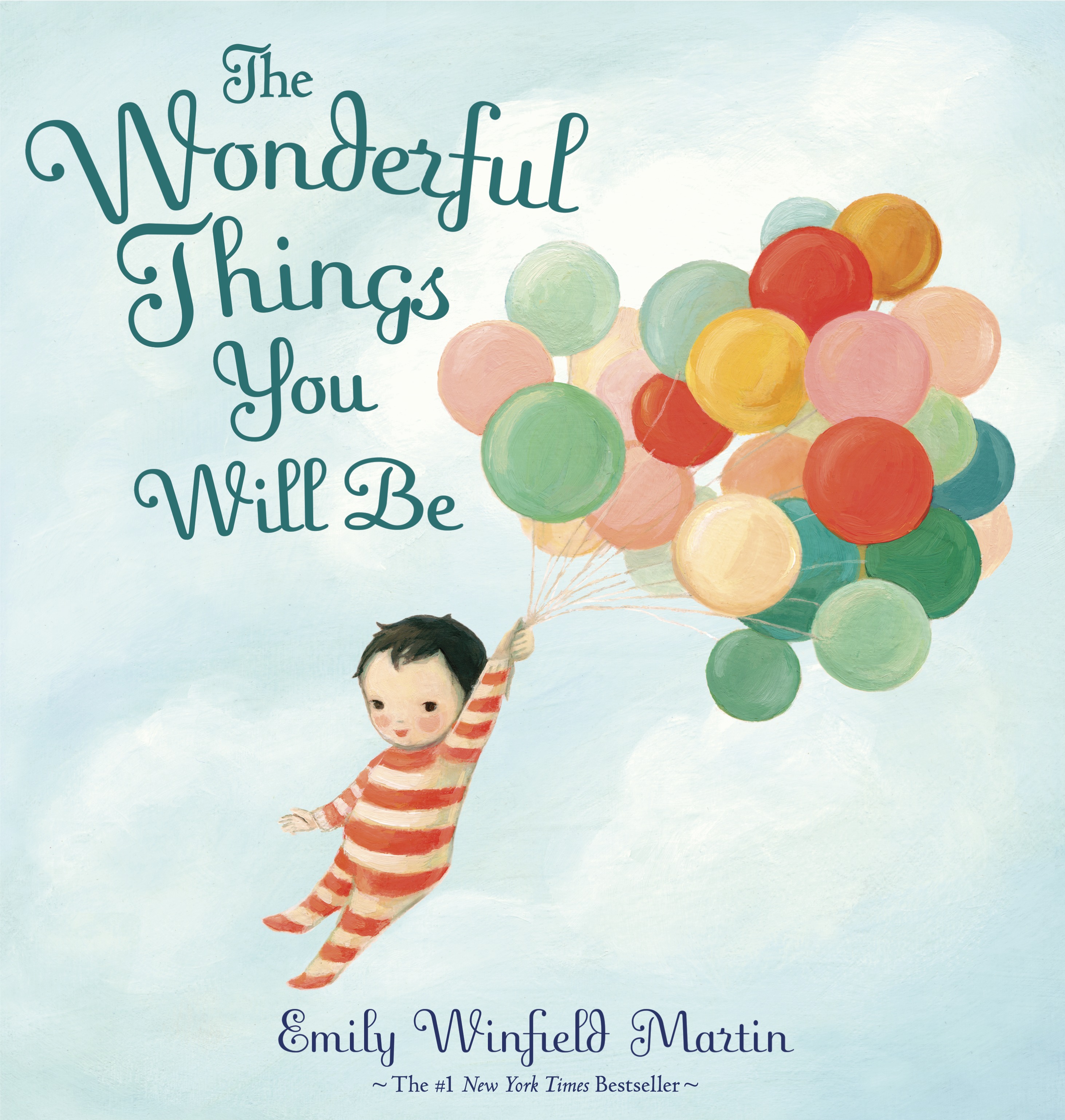
The Wonderful Things You Will Be
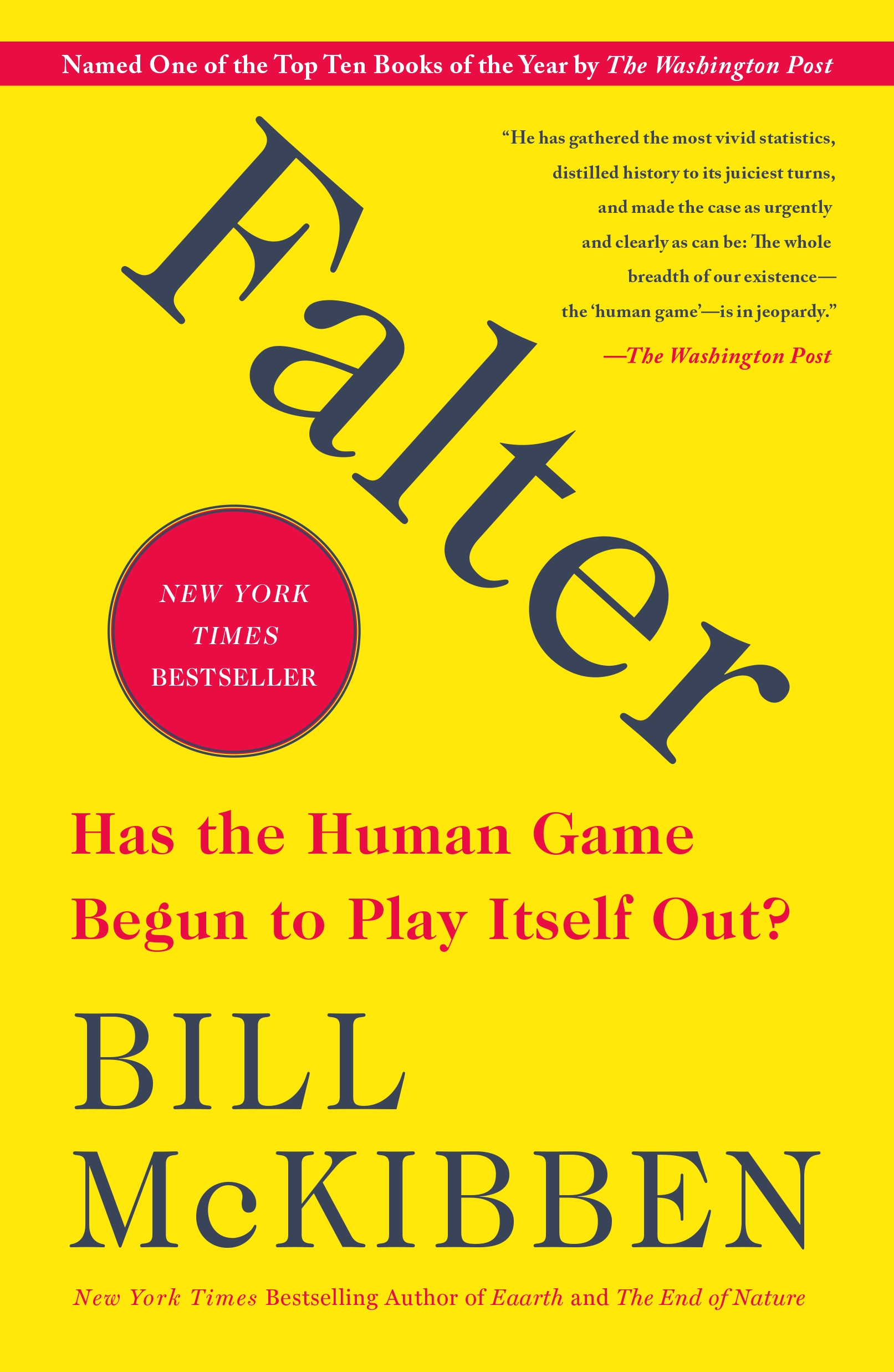
Falter: Has the Human Game Begun to Play Itself Out?

There Was an Old Lady Who Swallowed a Chick!

The Secret Wife: A captivating story of romance, passion and mystery

Made for Me

Row, Row, Row Your Boat (Indestructibles Series)

Going to School

Secrets Between Us: An absolutely gripping psychological thriller
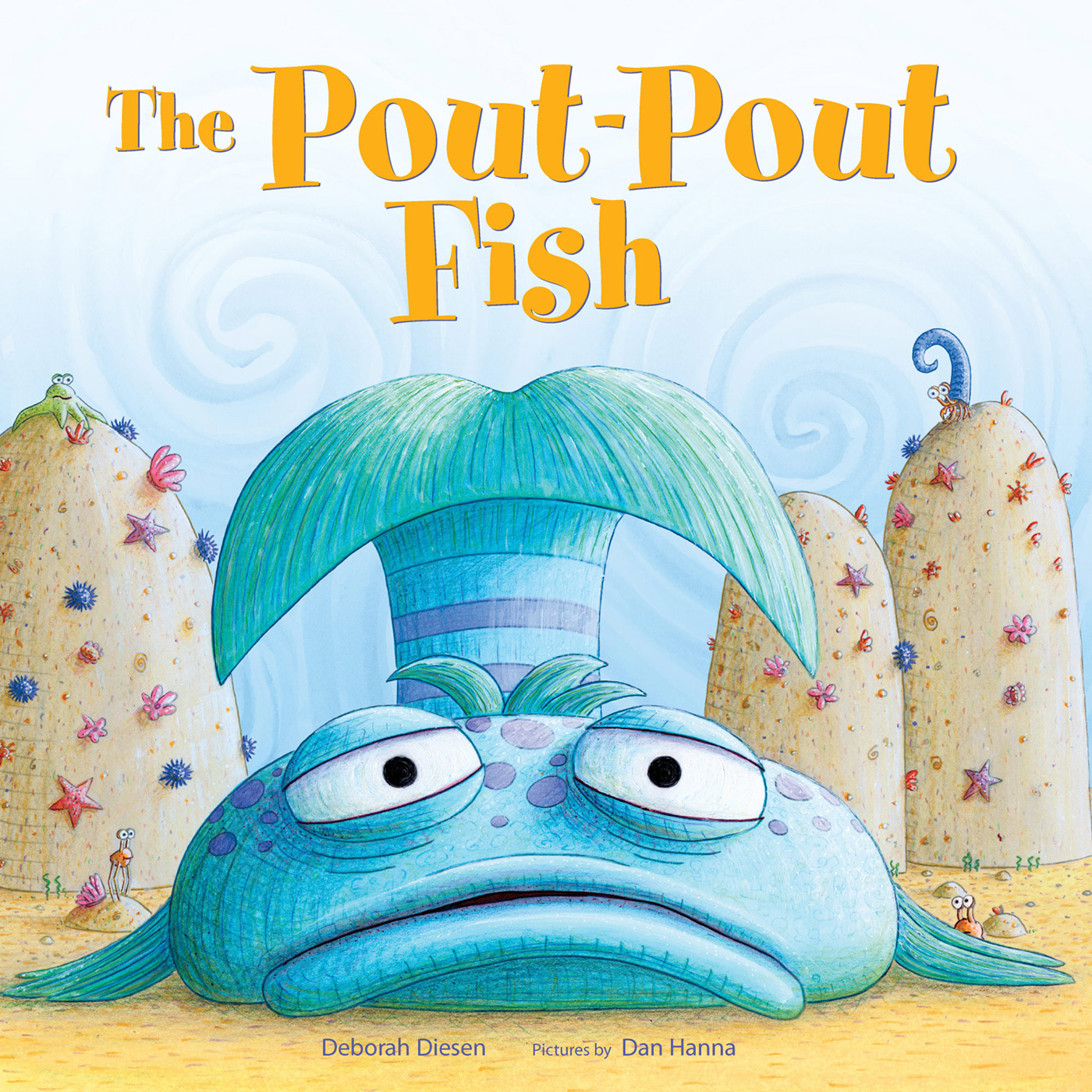
The Pout-Pout Fish
Diary of an Awesome Friendly Kid: Rowley Jefferson's Journal

Feed Your Best Friend Better: Easy, Nutritious Meals and Treats for Dogs
Hurricane Season

Good Night, Little Blue Truck

Commander in Cheat: How Golf Explains Trump

Settings
Reflow text when sidebars are open.
