
- Browse Category
Subjects
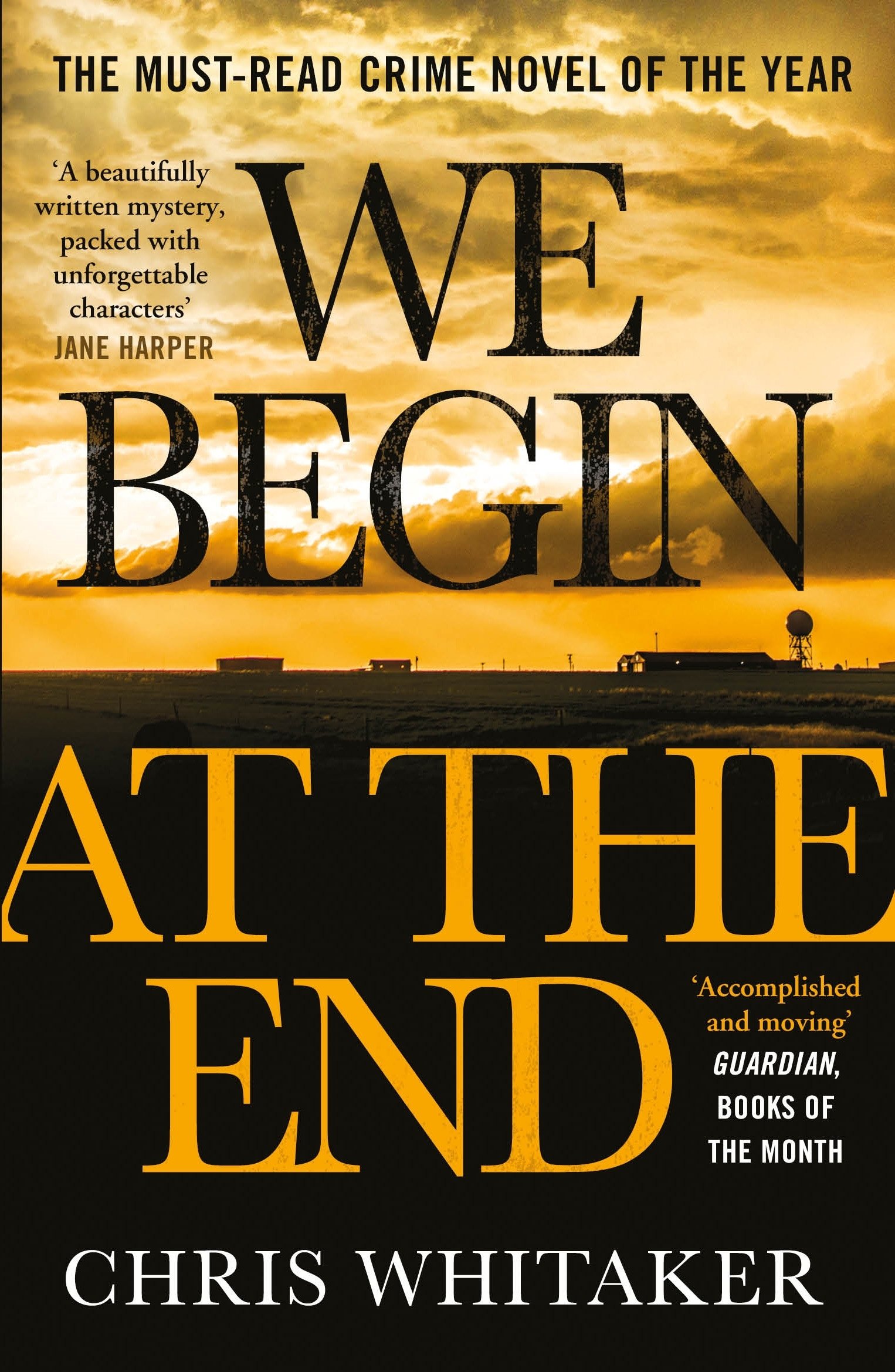 We Begin at the EndLearn More
 - Choice Picks
- Top 100 Free Books
- Blog
- Recently Added
- Submit your eBook
- Browse Category
We Begin at the EndLearn More
- Choice Picks
- Top 100 Free Books
- Blog
- Recently Added
- Submit your eBook

Treatise on Chromatic Harmony: Music for musicians who don't know music Tomás Morales y Durán Author
2024-07-16 18:06:58
What we call today Western Music has been turning over millennia into a gigantic accumulation of intellectual garbage seasoned with religious necromancy without anyone stopping to try to bring order to all this mess. The abuse of so much irrationalit...
Read more
What we call today Western Music has been turning over millennia into a gigantic accumulation of intellectual garbage seasoned with religious necromancy without anyone stopping to try to bring order to all this mess. The abuse of so much irrationality has made music a forbidden ground for those who use reason and is only accessible to memory and repetition. Music is suffering.From Pythagoras, who wanted to reach twelve notes by combining seven series of seven notes each, to the monk Guido of Arezzo who had the idea of recording music with ink so that his melodies would not degenerate when going from one monastery to another. He devised the solfege subjected to the obsession of avoiding playing a supposed cursed tritone that would invoke Satan, dragging the good Christian to the most terrible hells. This event excited Pope John XIX who sanctioned the universal apprehension of him. Another monk could not be missing, Miguel García alias Padre Basilio who at the end of the 18th century put so many strings on the guitar that he found himself with the problem that he did not have enough fingers to play three notes with six strings using only four fingers, so he dedicated himself to organizing forced postures so that the new instrument would not sound too bad. Most musicians seem unaware that we are in the 21st century, that we know how to count to twelve, that we have devices for recording music that are better than Chinese ink, and that we have five fingers on our right hand with which to select which strings to play and not to play. only a misshapen stump to tear them. We know that sound is produced in the auditory consciousness. We also know how we hear based on our anatomy and we have done neuroscientific studies with which we have defined harmony based on subjective relative dissonances and even that the most important thing, rhythm, is what music draws. Music differs from noise in its simplicity, and if there is something a healthy brain hates more than complex sounds, it is the practical applications of irrational theories that leave no room for logic. Fed up with spending more than forty years trying to understand the incomprehensible, the time has come to develop a Music Theory that explains the simple in a simple way. So simple that it makes this beautiful art accessible to anyone who has some time and the desire to have a good time.
Less

Available Discount
No Discount available

Settings
Reflow text when sidebars are open.
