
- Browse Category
Subjects
 We Begin at the EndLearn More
 - Choice Picks
- Top 100 Free Books
- Blog
- Recently Added
- Submit your eBook
- Browse Category
We Begin at the EndLearn More
- Choice Picks
- Top 100 Free Books
- Blog
- Recently Added
- Submit your eBook
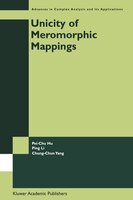
Unicity of Meromorphic Mappings
2021-06-04 12:04:31
For a given meromorphic function I(z) and an arbitrary value a, Nevanlinna''s value distribution theory, which can be derived from the well known Poisson-Jensen for mula, deals with relationships between the growth of the function and q...
Read more
For a given meromorphic function I(z) and an arbitrary value a, Nevanlinna''s value distribution theory, which can be derived from the well known Poisson-Jensen for mula, deals with relationships between the growth of the function and quantitative estimations of the roots of the equation: 1 (z) - a = O. In the 1920s as an application of the celebrated Nevanlinna''s value distribution theory of meromorphic functions, R. Nevanlinna [188] himself proved that for two nonconstant meromorphic func tions I, 9 and five distinctive values ai (i = 1,2,3,4,5) in the extended plane, if 1 1- (ai) = g-l(ai) 1M (ignoring multiplicities) for i = 1,2,3,4,5, then 1 = g. Fur 1 thermore, if 1- (ai) = g-l(ai) CM (counting multiplicities) for i = 1,2,3 and 4, then 1 = L(g), where L denotes a suitable Mobius transformation. Then in the 19708, F. Gross and C. C. Yang started to study the similar but more general questions of two functions that share sets of values. For instance, they proved that if 1 and 9 are two nonconstant entire functions and 8 , 82 and 83 are three distinctive finite sets such 1 1 that 1- (8 ) = g-1(8 ) CM for i = 1,2,3, then 1 = g.
Less

Compare Prices
| Store | Availability | Book Format | Condition | Price |
|---|---|---|---|---|
| Indigo Books & Music | In Stock | Buy CAD 209.18 |
Available Discount
No Discount available
Related Books
View All
Hurricane Season

You Be You: Detox Your Life, Crush Your Limitations, and Own Your Awesome

Commander in Cheat: How Golf Explains Trump
Can't Make This Stuff Up!: Finding the Upside to Life's Downs
Clean & Lean: 30 Days, 30 Foods, a New You!

The Silent Woman (Cat Carlisle, Book 1)
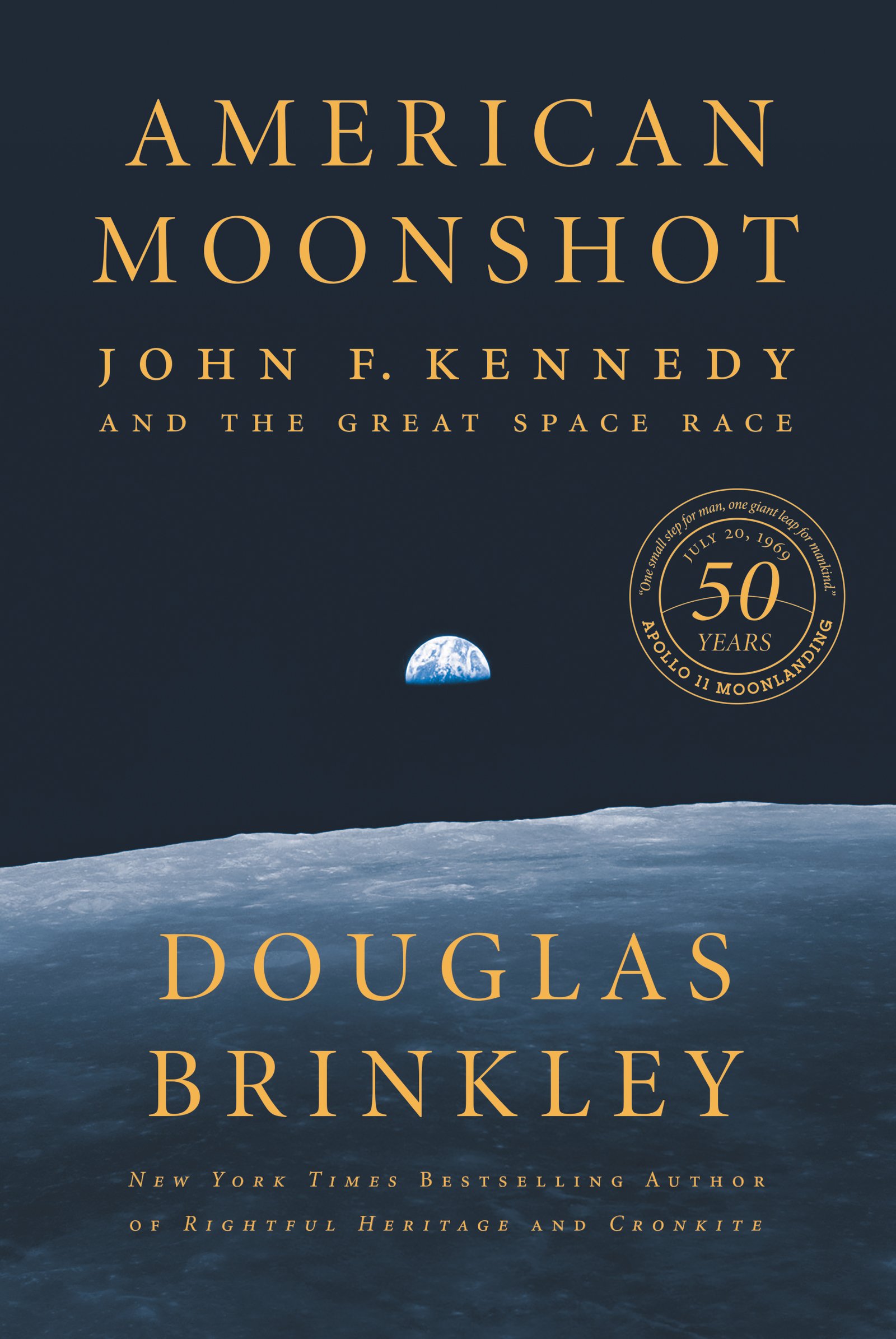
American Moonshot: John F. Kennedy and the Great Space Race

Life Will Be the Death of Me: ...And You Too!
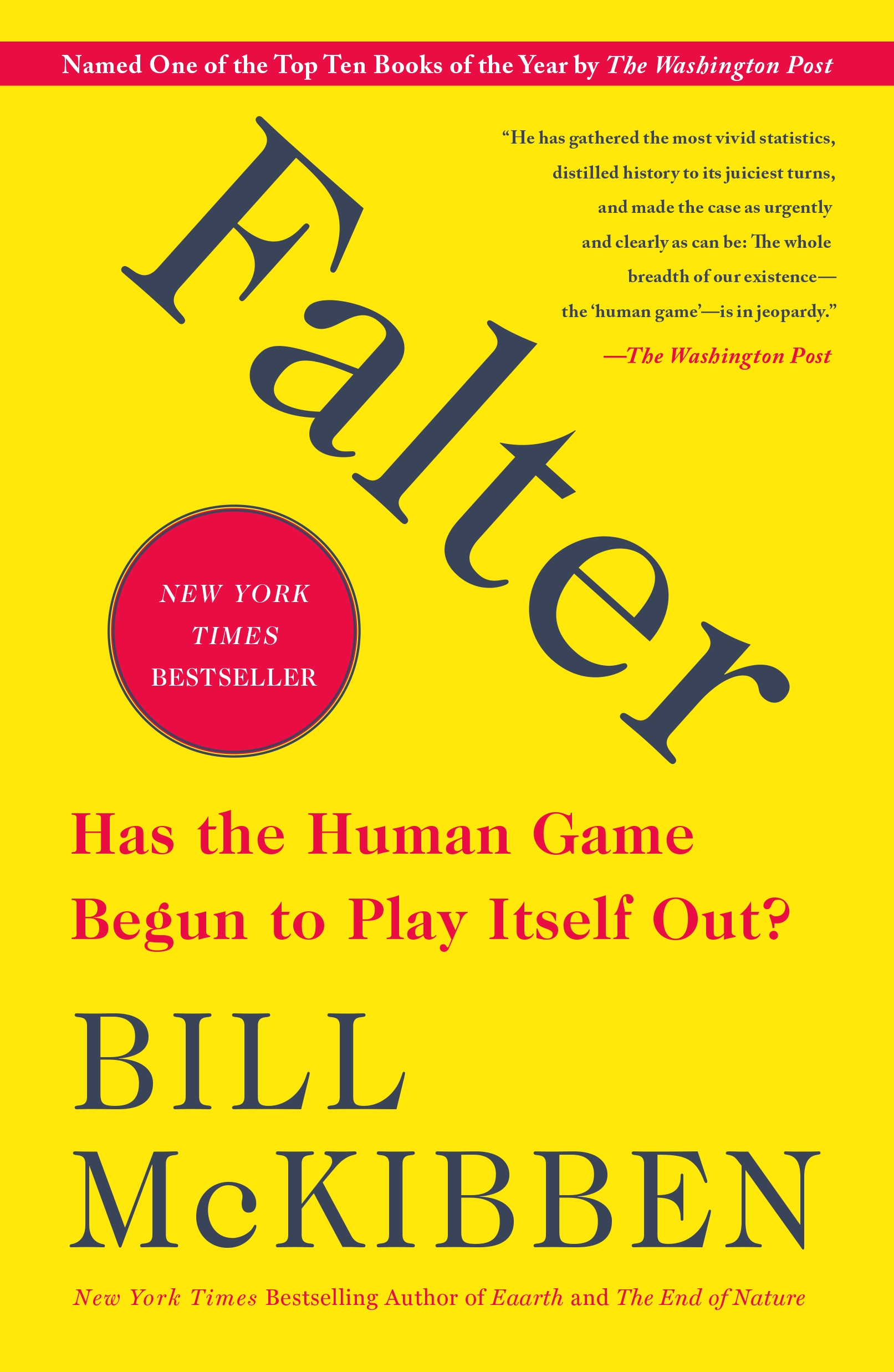
Falter: Has the Human Game Begun to Play Itself Out?

Secrets Between Us: An absolutely gripping psychological thriller

There Was an Old Lady Who Swallowed a Chick!

Twinkle, Twinkle, Little Star (Indestructibles Series)

We Are Not Friends (You Are Not Small)
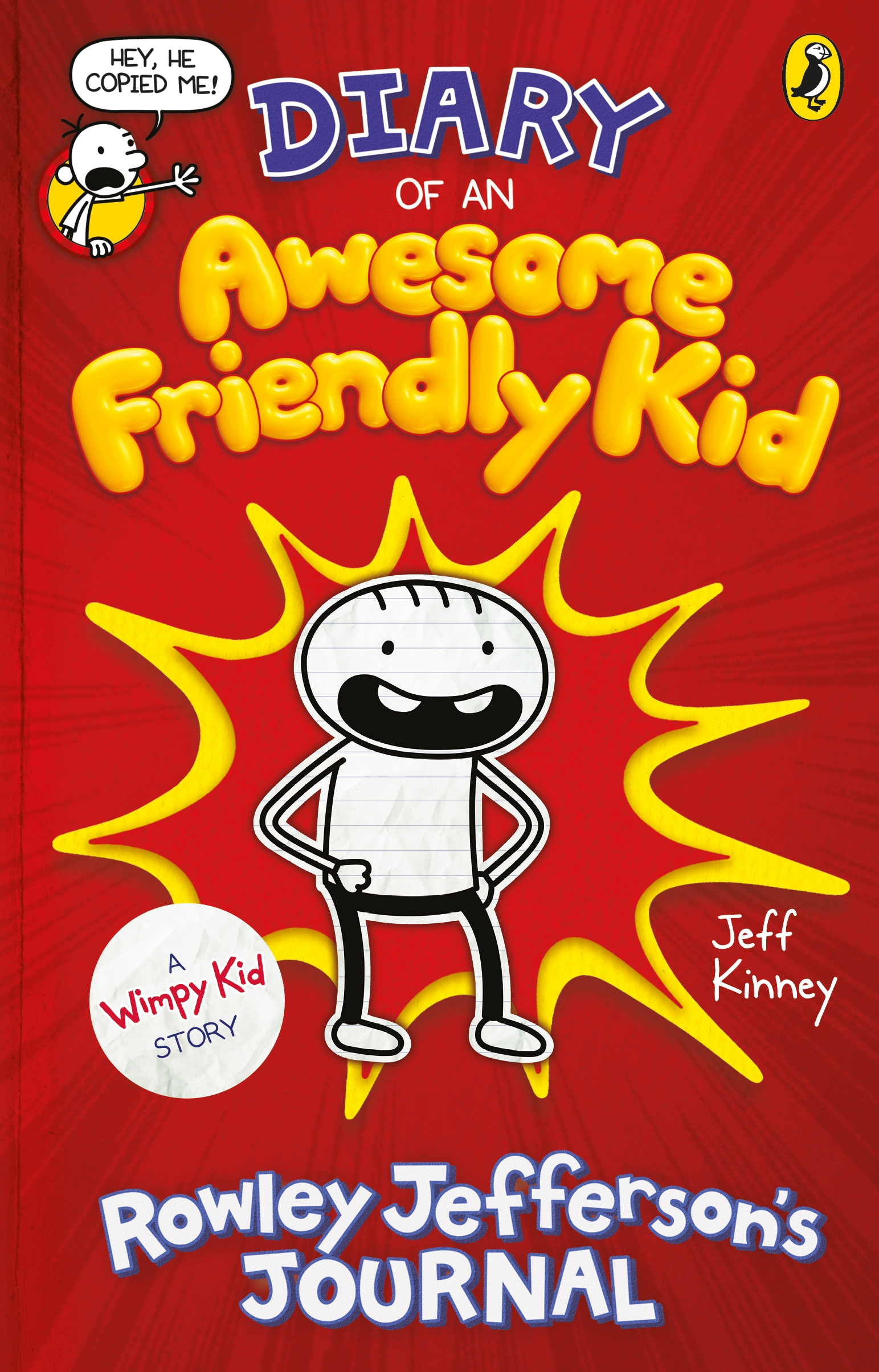
Diary of an Awesome Friendly Kid: Rowley Jefferson's Journal

House of Shadows: An Enthralling Historical Mystery

Feed Your Best Friend Better: Easy, Nutritious Meals and Treats for Dogs
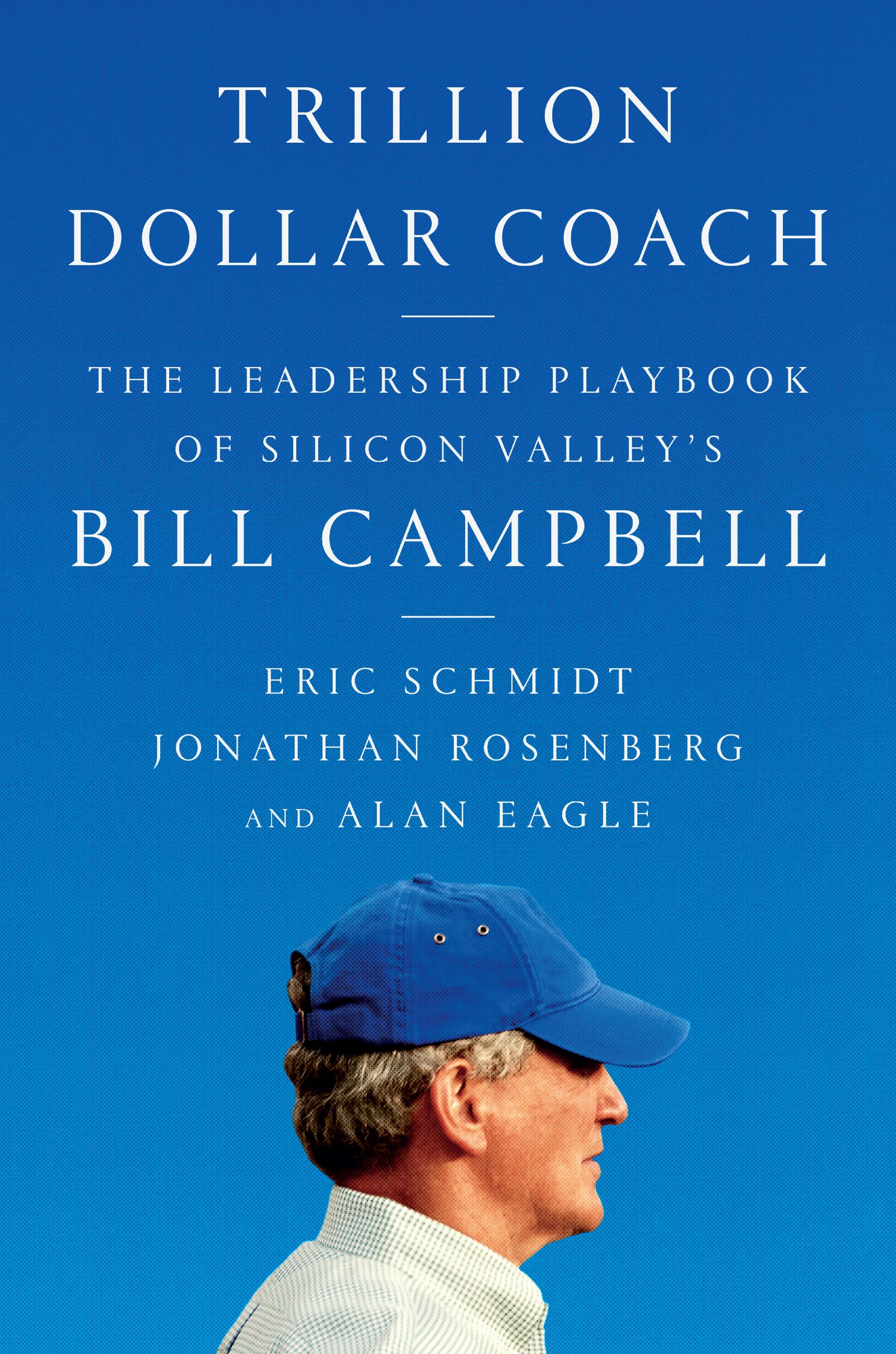
Trillion Dollar Coach: The Leadership Playbook of Silicon Valley's Bill Campbell
The Pout-Pout Fish

Made for Me

Going to School

The Secret Wife: A captivating story of romance, passion and mystery

Row, Row, Row Your Boat (Indestructibles Series)

Good Night, Little Blue Truck

The Book Club

The Wonderful Things You Will Be

Settings
Reflow text when sidebars are open.
