
- Browse Category
Subjects
 We Begin at the EndLearn More
 - Choice Picks
- Top 100 Free Books
- Blog
- Recently Added
- Submit your eBook
- Browse Category
We Begin at the EndLearn More
- Choice Picks
- Top 100 Free Books
- Blog
- Recently Added
- Submit your eBook

Vagueness and Contradiction
2020-11-25 01:11:44
Did Buddha become a fat man in one second? Is there a tallest short giraffe?Epistemicists answer ''Yes!'' They believe that any predicate that divides things divides them sharply. They solve the ancient sorites paradox by picturing vagueness as a kin...
Read more
Did Buddha become a fat man in one second? Is there a tallest short giraffe?Epistemicists answer ''Yes!'' They believe that any predicate that divides things divides them sharply. They solve the ancient sorites paradox by picturing vagueness as a kind of ignorance. The alternative solutions are radical. They either reject classical theorems or inference rules or reject ourcommon sense view of what can exist. Epistemicists spare this central portion of our web of belief by challenging peripheral intuitions about the nature of language.So why is this continuation of the status quo so incredible? Why do epistemicists themselves have trouble believing their theory?In Vagueness and Contradiction Roy Sorensen traces our incredulity to linguistic norms that build upon our psychological tendencies to round off insignificant differences. These simplifying principles lead to massive inconsistency, rather like the rounding off errors of calculators with limitedmemory. English entitles speakers to believe each ''tolerance conditional'' such as those of the form ''If n is small, then n + 1 is small.'' The conjunction of these a priori beliefs entails absurd conditionals such as ''If 1 is small, then a billion is small.'' Since the negation of this absurdity is ana priori truth, our a priori beliefs about small numbers are jointly inconsistent. One of the tolerance conditionals, at the threshold of smallness, must be an analytic falsehood that we are compelled to regard as a tautology.Since there are infinitely many analytic sorites arguments, Sorensen concludes that we are obliged to believe infinitely many contradictions. These contradictions are not specifically detectable. They are ineliminable, like the heat from a light bulb. Although the light bulb is not designed toproduce heat, the heat is inevitably produced as a side-effect of illumination.Vagueness can be avoided by representational systems that make no concession to limits of perception, or memory, or testimony. But quick and rugged representational systems, such as natural languages, will trade ''rationality'' for speed and flexibility.Roy Sorensen defends epistemicism in his own distinctive style, inventive and amusing. But he has some serious things to say about language and logic, about the way the world is and about our understanding of it.
Less

Compare Prices
| Store | Availability | Book Format | Condition | Price |
|---|---|---|---|---|
| Indigo Books & Music | In Stock | Buy CAD 276.00 |
Available Discount
No Discount available
Related Books
View All
Can't Make This Stuff Up!: Finding the Upside to Life's Downs

Feed Your Best Friend Better: Easy, Nutritious Meals and Treats for Dogs

House of Shadows: An Enthralling Historical Mystery

The Silent Woman (Cat Carlisle, Book 1)

There Was an Old Lady Who Swallowed a Chick!

Made for Me
Diary of an Awesome Friendly Kid: Rowley Jefferson's Journal
Trillion Dollar Coach: The Leadership Playbook of Silicon Valley's Bill Campbell

The Secret Wife: A captivating story of romance, passion and mystery

Commander in Cheat: How Golf Explains Trump

Row, Row, Row Your Boat (Indestructibles Series)

Twinkle, Twinkle, Little Star (Indestructibles Series)
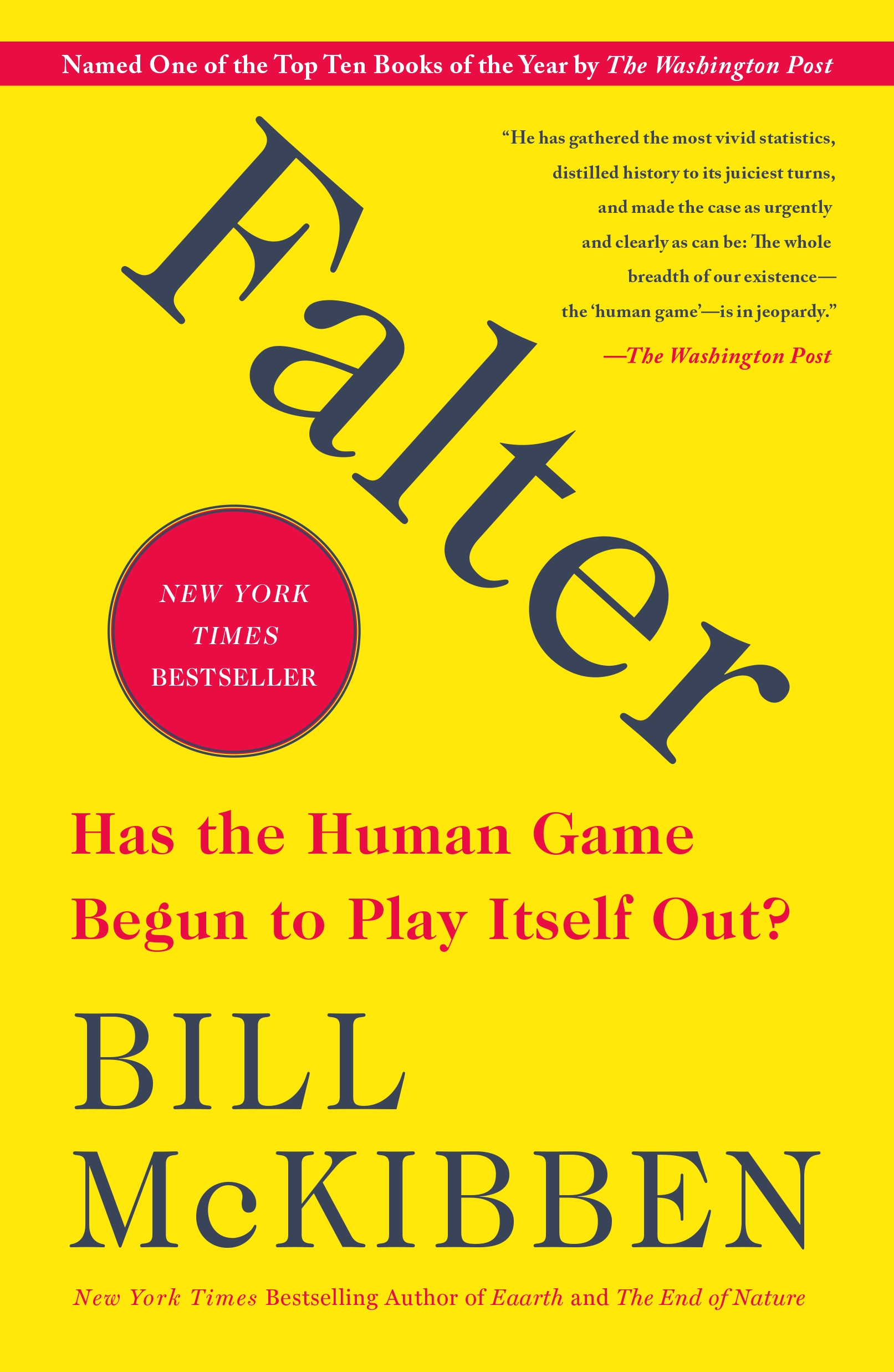
Falter: Has the Human Game Begun to Play Itself Out?

Good Night, Little Blue Truck
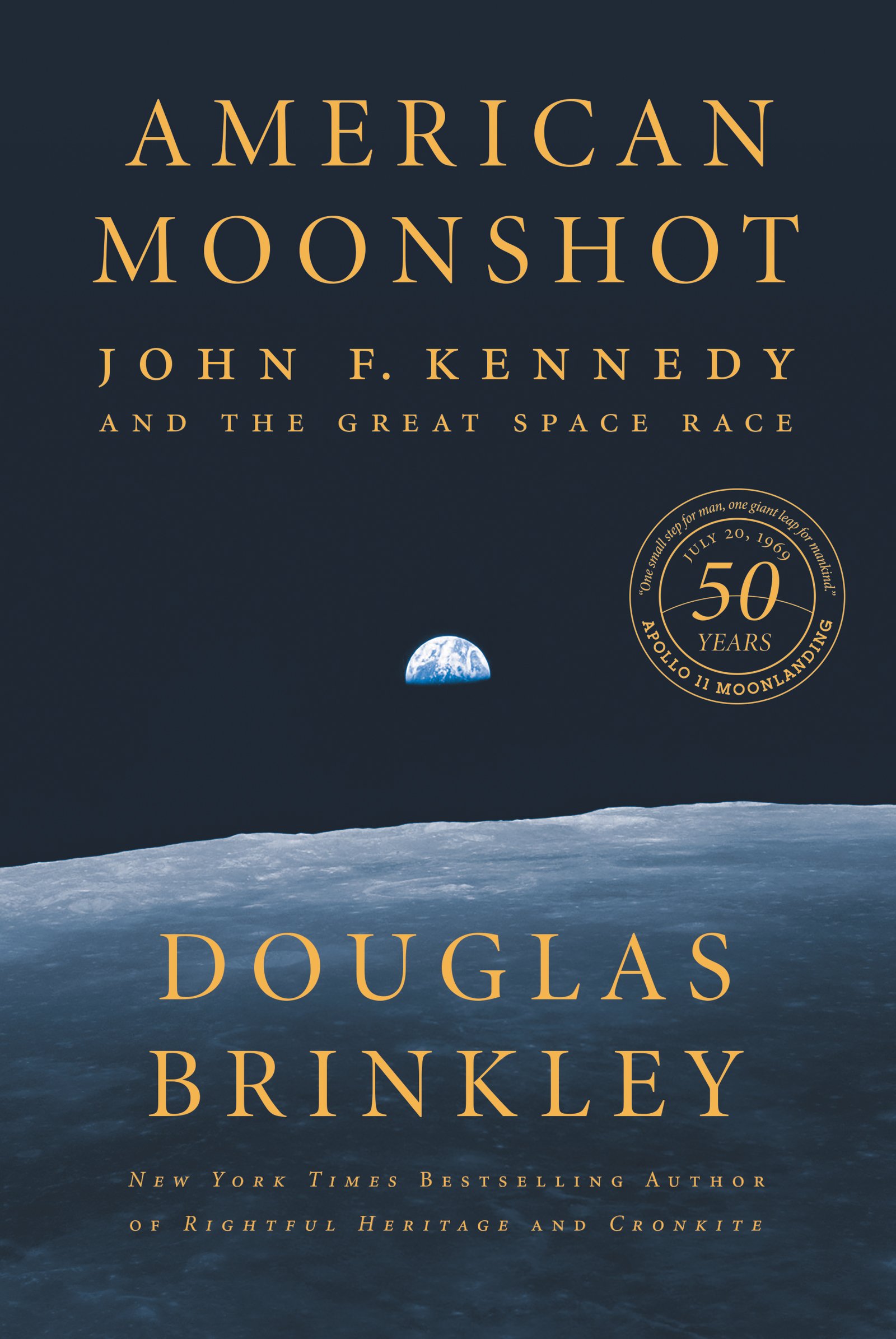
American Moonshot: John F. Kennedy and the Great Space Race

You Be You: Detox Your Life, Crush Your Limitations, and Own Your Awesome
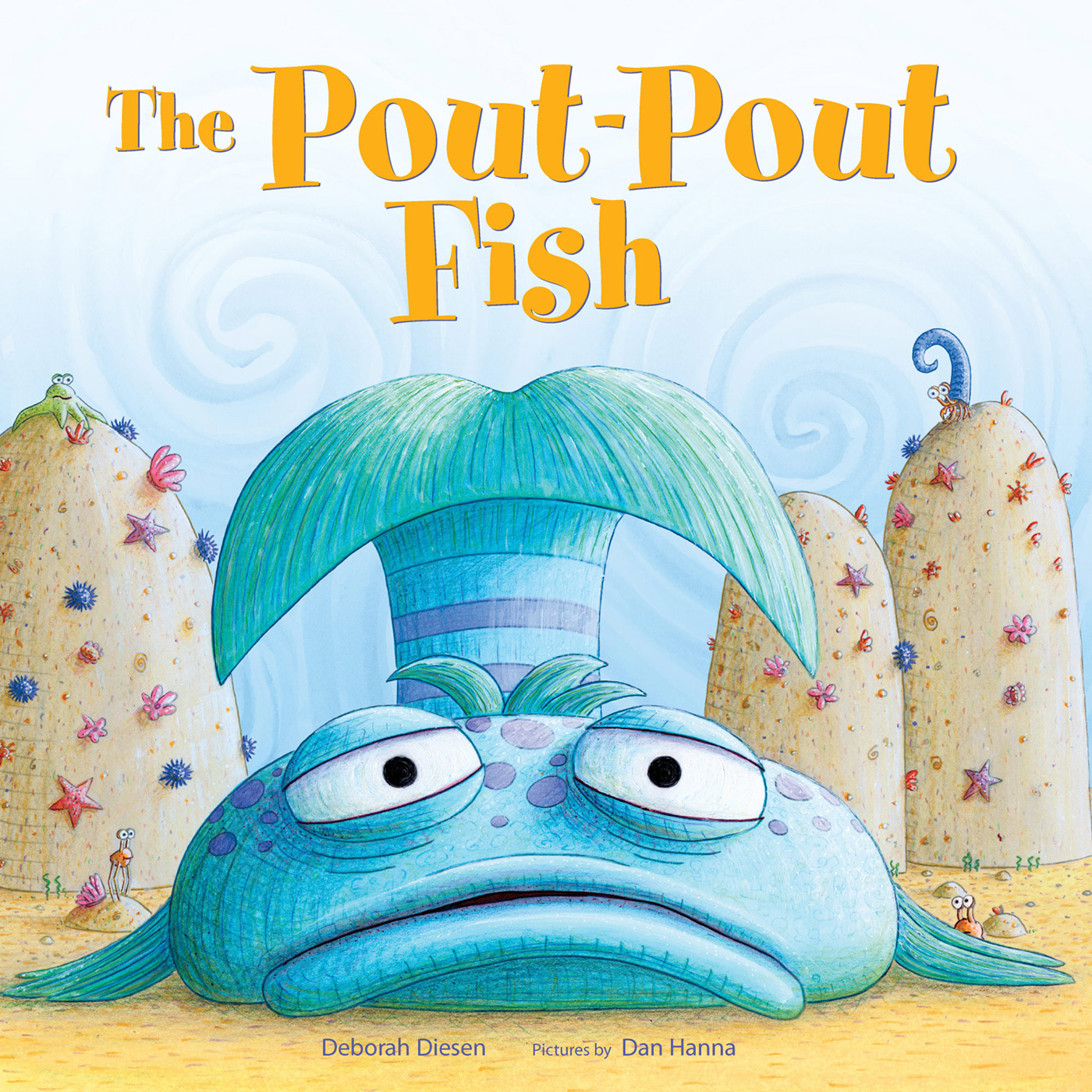
The Pout-Pout Fish
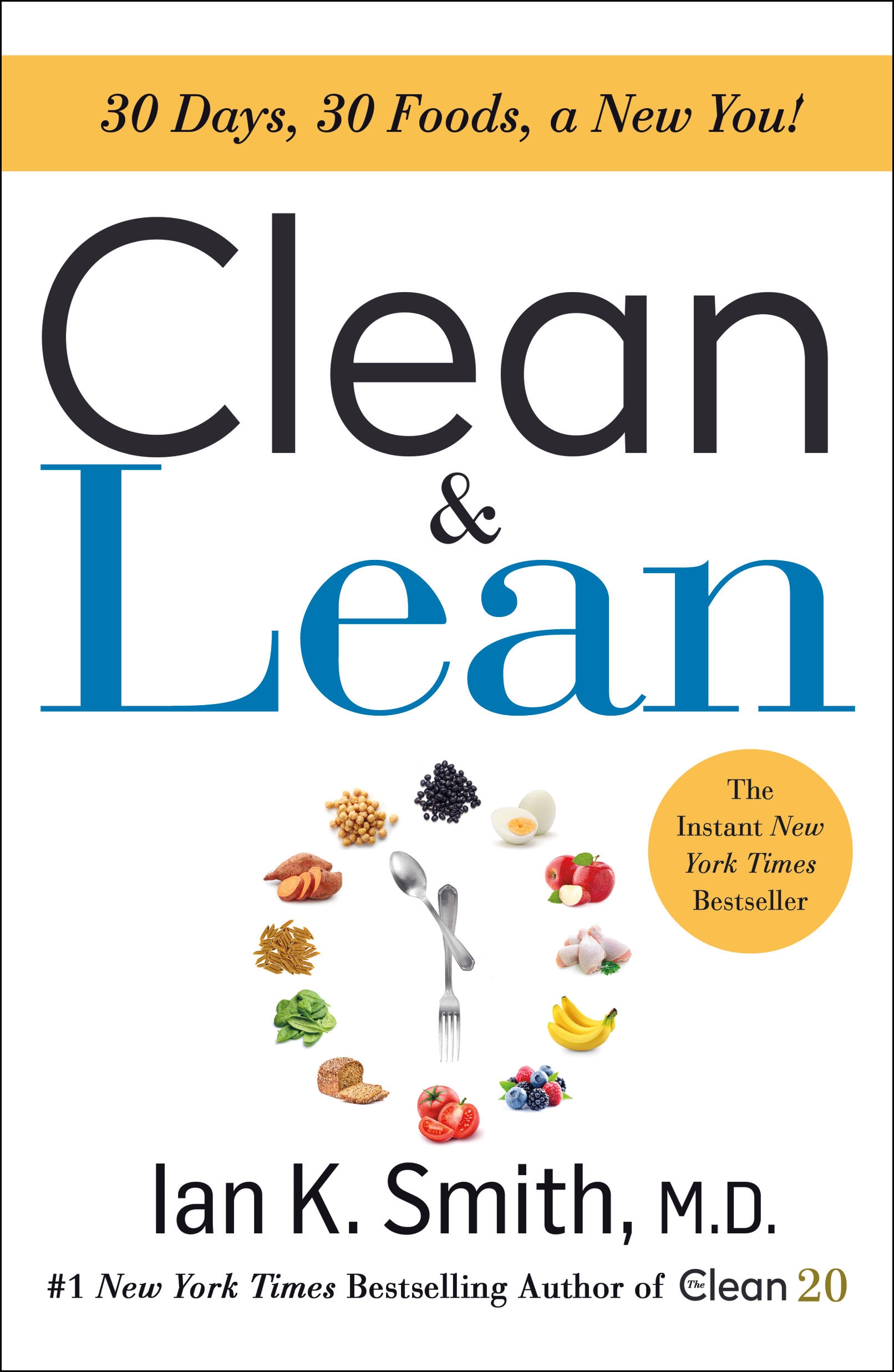
Clean & Lean: 30 Days, 30 Foods, a New You!
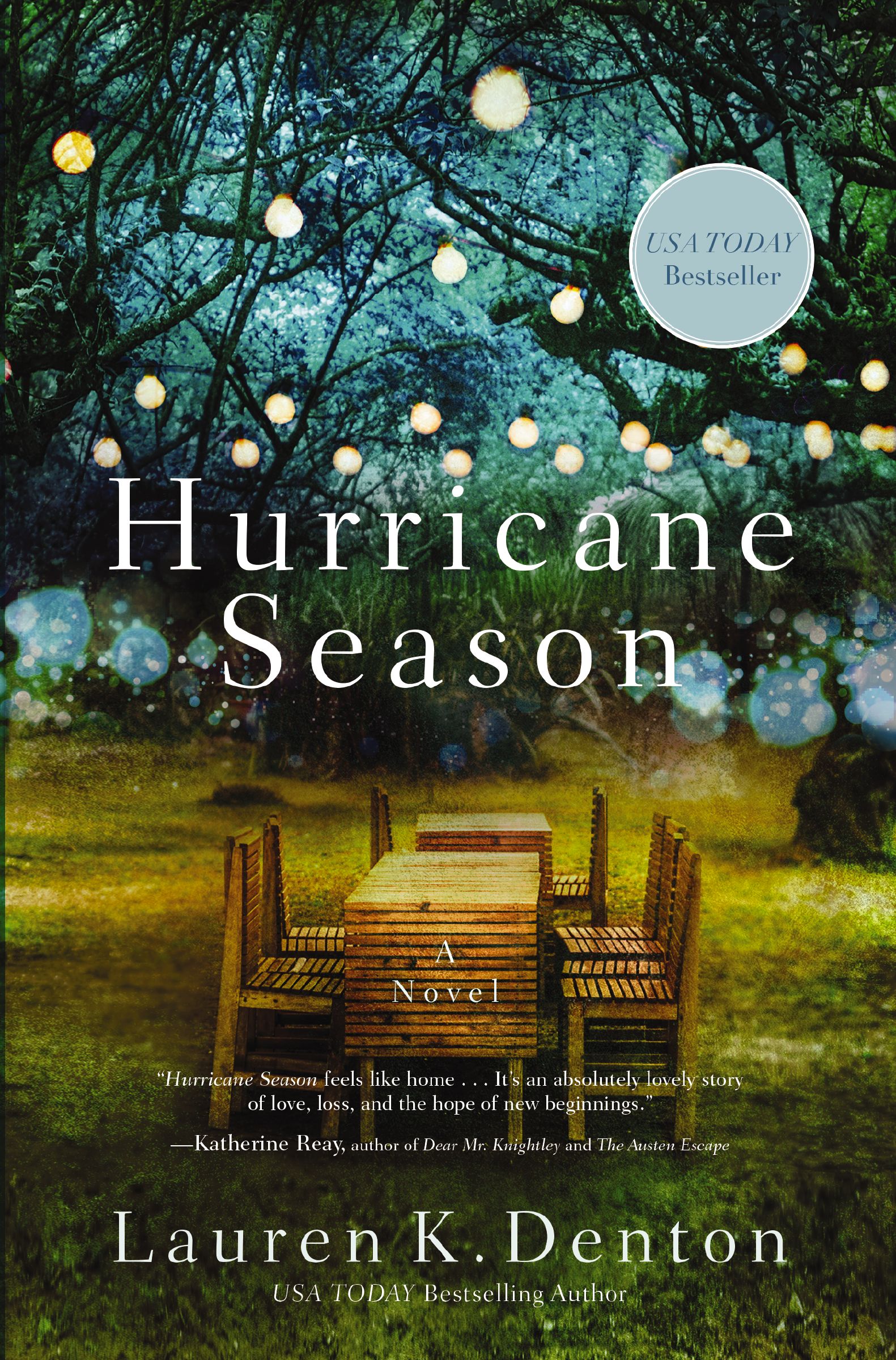
Hurricane Season

Life Will Be the Death of Me: ...And You Too!

Going to School

The Wonderful Things You Will Be

We Are Not Friends (You Are Not Small)
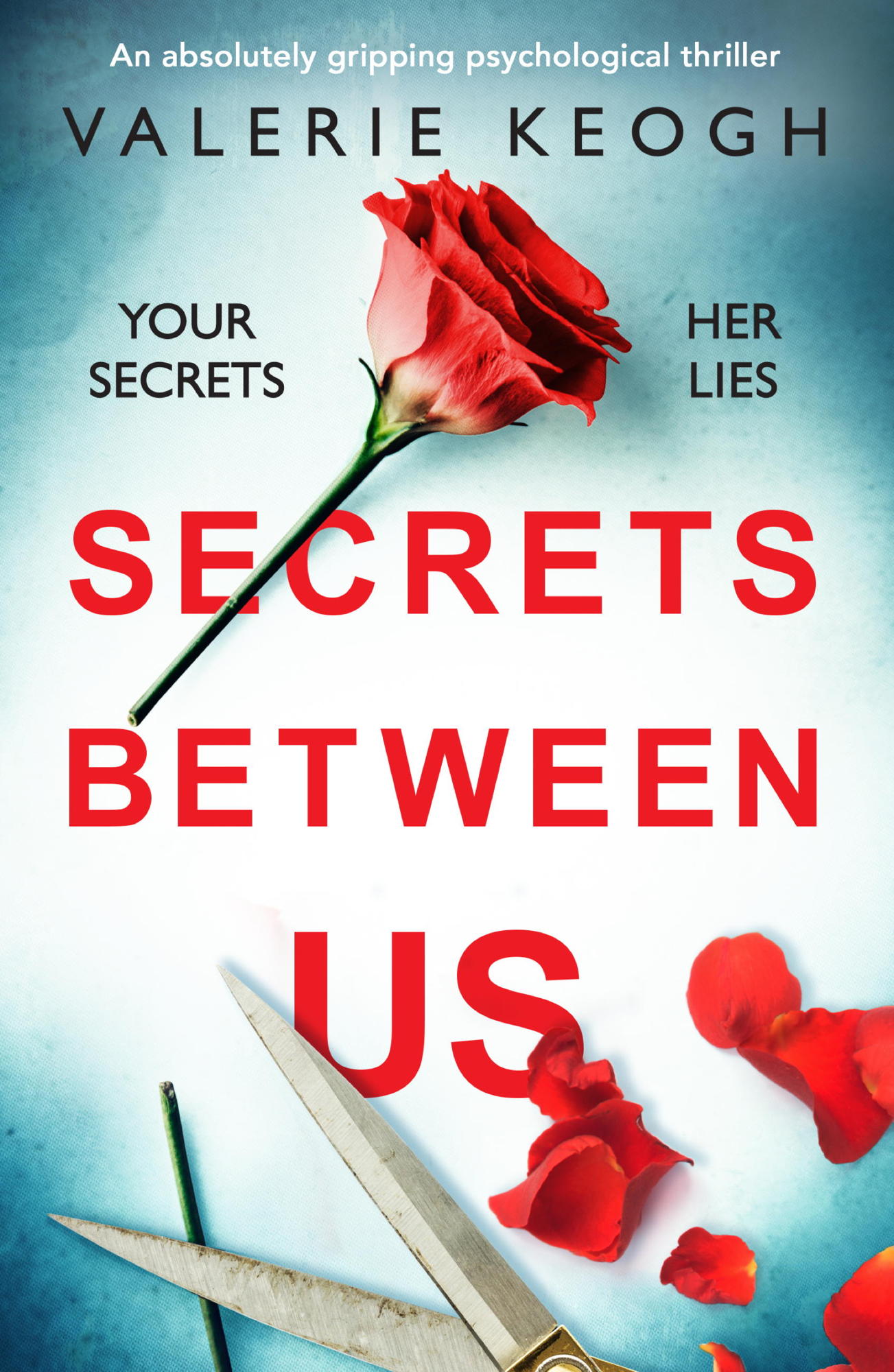
Secrets Between Us: An absolutely gripping psychological thriller

The Book Club

Settings
Reflow text when sidebars are open.
