
- Browse Category
Subjects
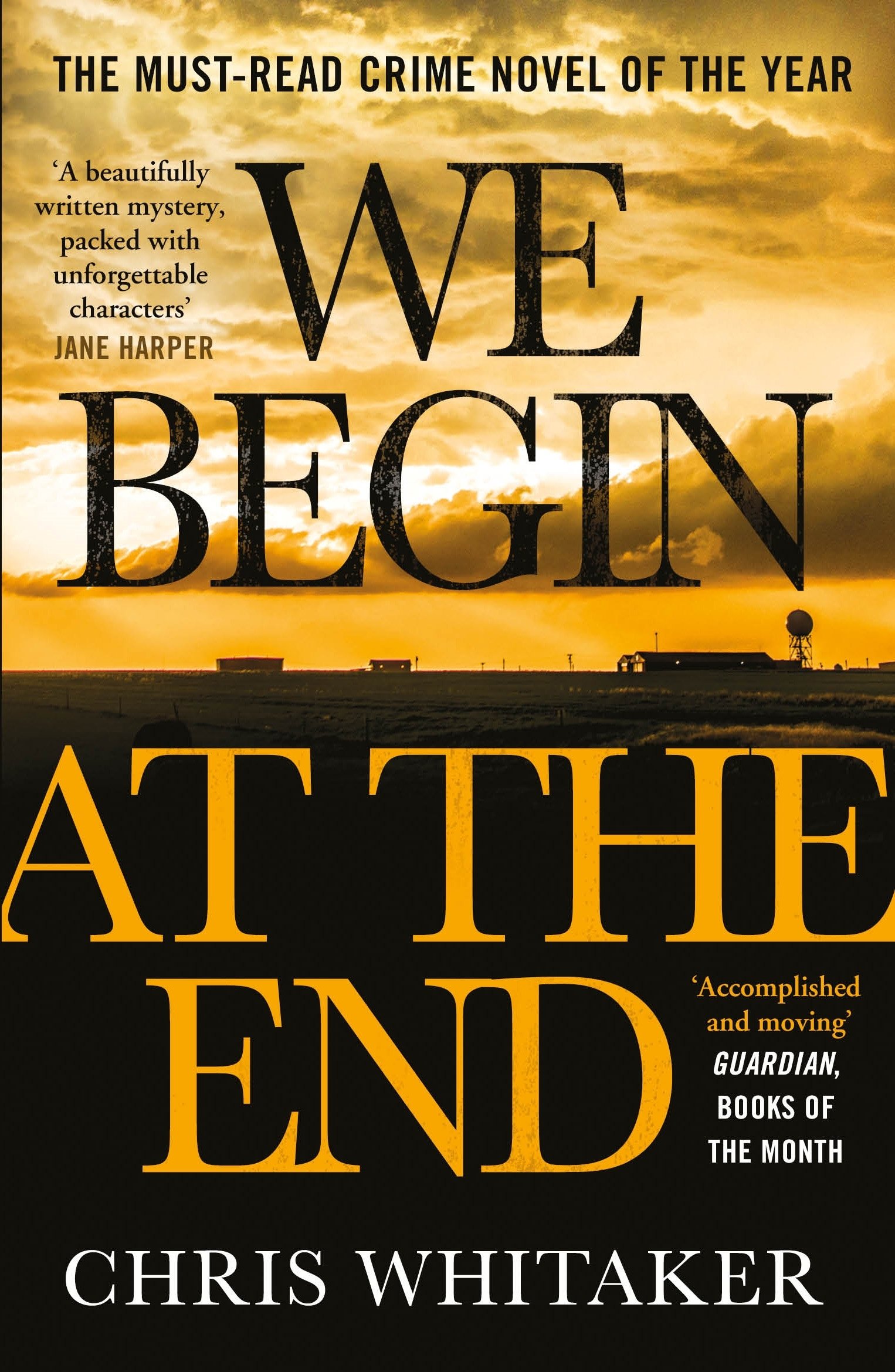 We Begin at the EndLearn More
 - Choice Picks
- Top 100 Free Books
- Blog
- Recently Added
- Submit your eBook
- Browse Category
We Begin at the EndLearn More
- Choice Picks
- Top 100 Free Books
- Blog
- Recently Added
- Submit your eBook
Victim Participation In Intimate Partner Violence Prosecution: Implications For Safety
2021-01-05 00:49:03
Intimate partner violence (IPV) is recognized as a major public health problem affecting millions of families and resulting in long-lasting health complications. The intergenerational transmission of violence calls for urgent responses. By the late 2...
Read more
Intimate partner violence (IPV) is recognized as a major public health problem affecting millions of families and resulting in long-lasting health complications. The intergenerational transmission of violence calls for urgent responses. By the late 20th century, the United States responded to IPV by criminalizing behavior and redefining the prosecutorial role. Currently, all 50 states have enacted laws that address IPV through prosecutorial responses that complement aggressive policing responses, such as mandatory and permissive arrest policies. Prosecutors are encouraged to employ evidence-based prosecutions and discourage victims from dropping charges. Given findings that protection orders can reduce future harm to victims, it is essential to understand how a victim's participation along the continuum of calling 911, talking to the prosecutor, and engaging in criminal prosecution, impacts safety. It is hypothesized that participation would improve IPV victims' safety. The key finding is that victim participation in prosecution does not increase her help seeking via police calls for service that generate an incident report, nor the likelihood of future IPV and injury. These results are important in light of the current pro-prosecution strategies, which support evidence-based trials that proceed regardless of the victim's presence or testimony. Based on study findings, special prosecution units, vertical prosecution, continuances sensitive to victims needs, combined with court-based victim advocacy and victim input into prosecution outcomes, should continue to be considered best practices. Policy recommendations include increasing communication between the prosecutor's office and victims, improving referral to advocacy organizations, and reducing logistical barriers for victims to participate in prosecution.
Less

Compare Prices
| Store | Availability | Book Format | Condition | Price |
|---|---|---|---|---|
| Indigo Books & Music | In Stock | Paperback | Paperback | Buy CAD 25.99 |
Available Discount
No Discount available
Related Books
View All
Good Night, Little Blue Truck

Going to School

American Moonshot: John F. Kennedy and the Great Space Race

Diary of an Awesome Friendly Kid: Rowley Jefferson's Journal
The Pout-Pout Fish

Commander in Cheat: How Golf Explains Trump

The Silent Woman (Cat Carlisle, Book 1)

The Book Club

The Secret Wife: A captivating story of romance, passion and mystery
Hurricane Season

House of Shadows: An Enthralling Historical Mystery

Feed Your Best Friend Better: Easy, Nutritious Meals and Treats for Dogs

Can't Make This Stuff Up!: Finding the Upside to Life's Downs

Twinkle, Twinkle, Little Star (Indestructibles Series)

We Are Not Friends (You Are Not Small)

Trillion Dollar Coach: The Leadership Playbook of Silicon Valley's Bill Campbell

Made for Me

The Wonderful Things You Will Be
Falter: Has the Human Game Begun to Play Itself Out?

Life Will Be the Death of Me: ...And You Too!

There Was an Old Lady Who Swallowed a Chick!

Secrets Between Us: An absolutely gripping psychological thriller

Row, Row, Row Your Boat (Indestructibles Series)

You Be You: Detox Your Life, Crush Your Limitations, and Own Your Awesome
Clean & Lean: 30 Days, 30 Foods, a New You!

Settings
Reflow text when sidebars are open.
