
- Browse Category
Subjects
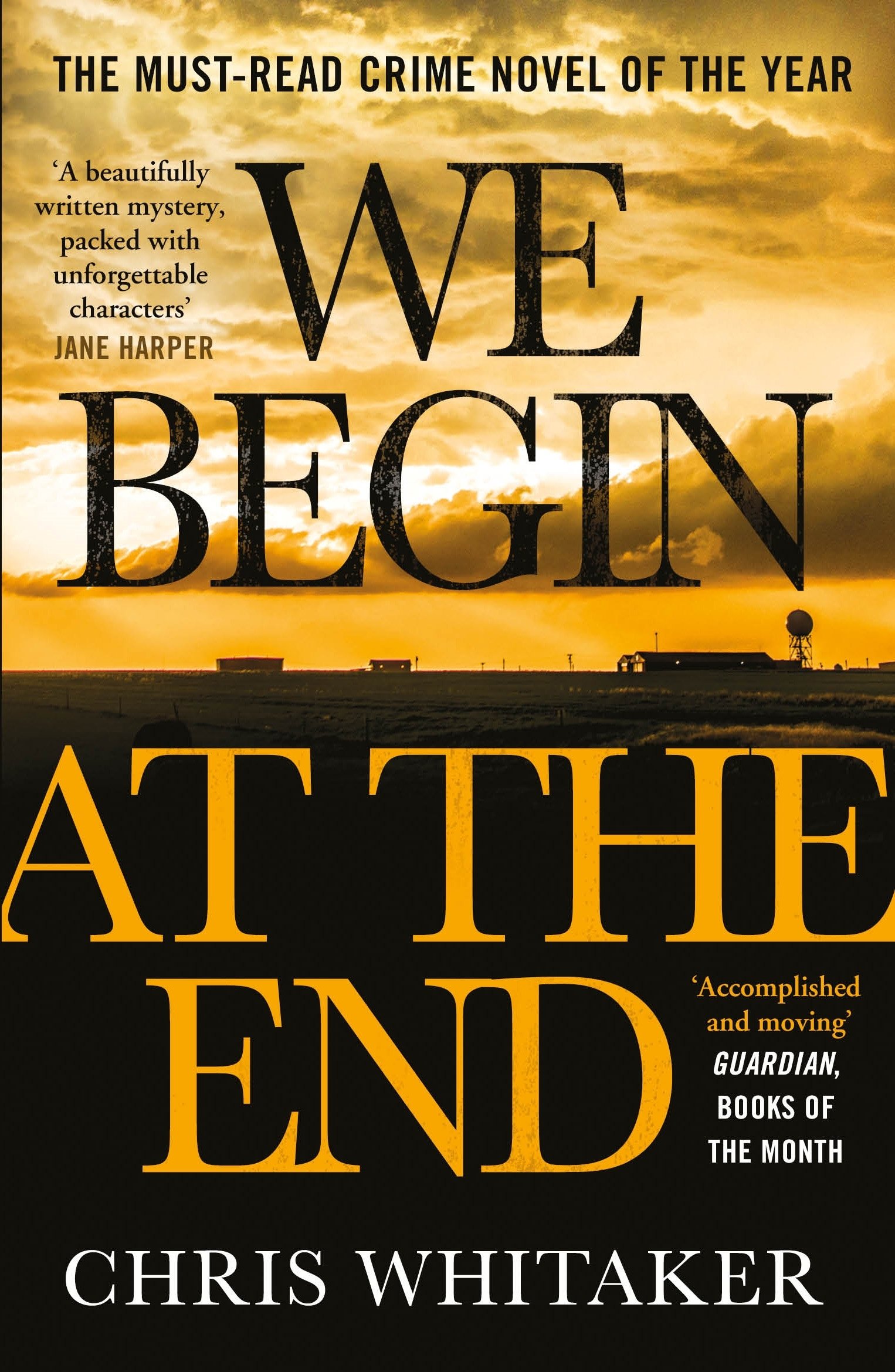 We Begin at the EndLearn More
 - Choice Picks
- Top 100 Free Books
- Blog
- Recently Added
- Submit your eBook
- Browse Category
We Begin at the EndLearn More
- Choice Picks
- Top 100 Free Books
- Blog
- Recently Added
- Submit your eBook

When Regulation Was Too Successful- The Sixth Decade of Deposit Insurance: A History of the Troubles of the U.S. Banking Industry
2021-01-09 09:44:07
The savings and loan crisis and the banking troubles of the 1980s and early 1990s were not primarily due to fraud, deregulation, inadequate supervision, overly exuberant lending, abrupt changes in tax policies or a host of other short-term causes. Al...
Read more
The savings and loan crisis and the banking troubles of the 1980s and early 1990s were not primarily due to fraud, deregulation, inadequate supervision, overly exuberant lending, abrupt changes in tax policies or a host of other short-term causes. All of these factors certainly exacerbated and, in some cases triggered, the problems of depository institutions. But the underlying fundamental reason for the thrift crisis and banking troubles, argues banking and financial analyst David S. Holland, was a form of excess capacity that resulted from many decades of protection from the rigors of competition and the marketplace.
Dr. Holland shows that the protection was due to geographical and product limitations and a deposit insurance system that became focused on the prevention of failures of individual institutions. By 1980, the depository institutions industry was ripe for a severe culling--a culling that legislators and regulators probably could have done little to avoid, although they might have channeled and controlled it better. How the government, the industry, and the public reacted to the culling is an instructive and fascinating study in human nature for all those concerned with banking policy and regulation.
Less
Compare Prices
| Store | Availability | Book Format | Condition | Price |
|---|---|---|---|---|
| Indigo Books & Music | In Stock | Hard Cover | Hard Cover | Buy CAD 84.00 |
Available Discount
No Discount available
Related Books
View All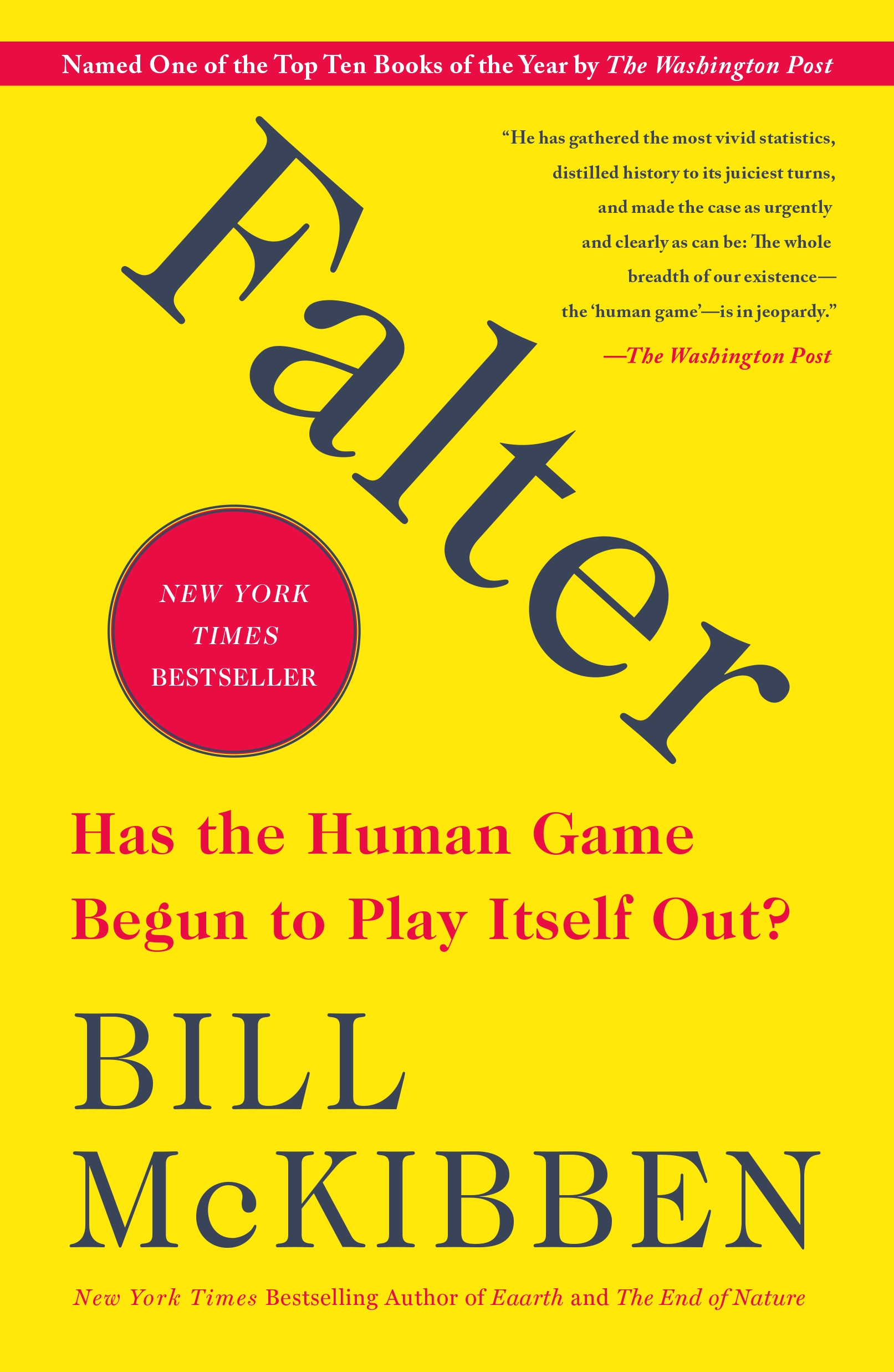
Falter: Has the Human Game Begun to Play Itself Out?
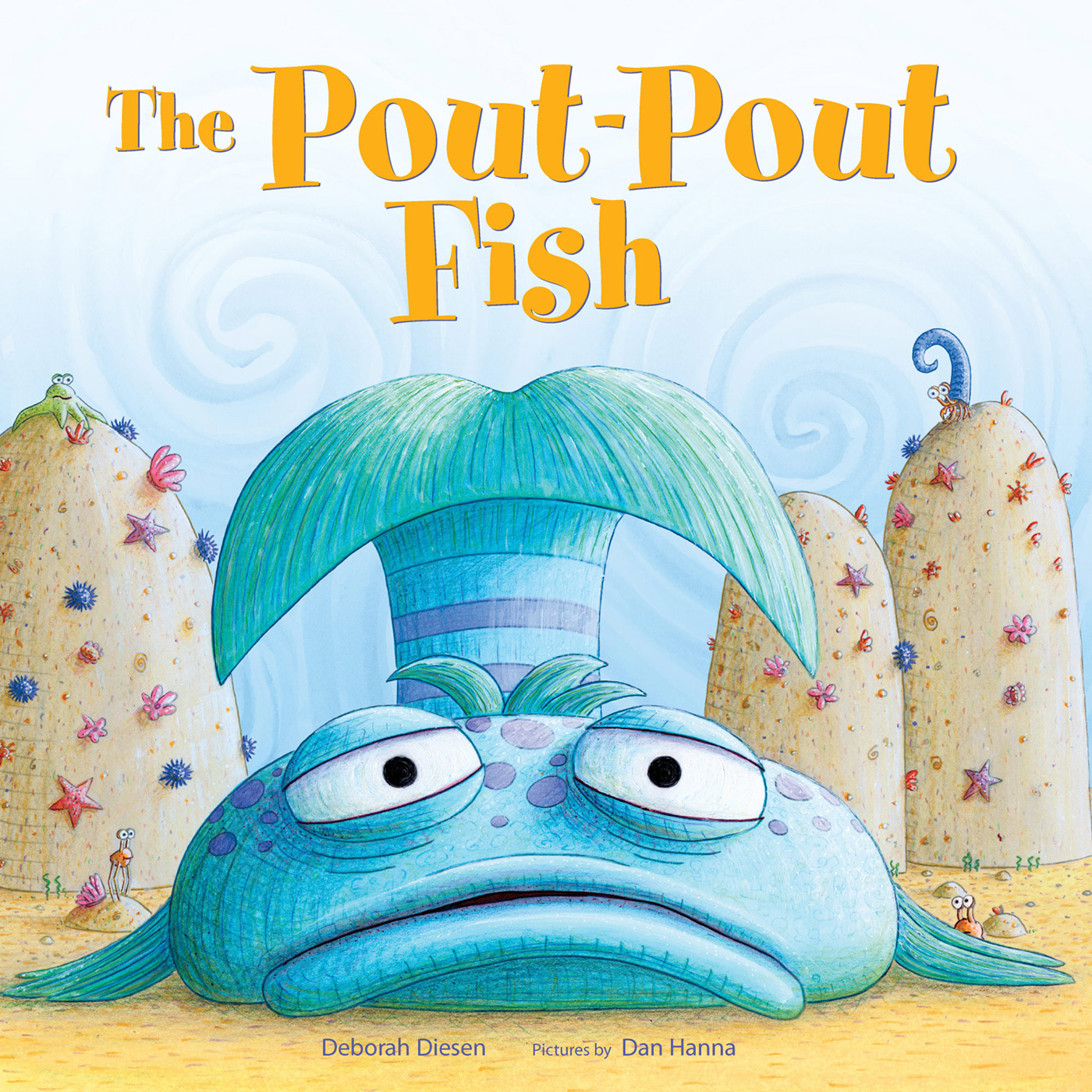
The Pout-Pout Fish

Good Night, Little Blue Truck

American Moonshot: John F. Kennedy and the Great Space Race
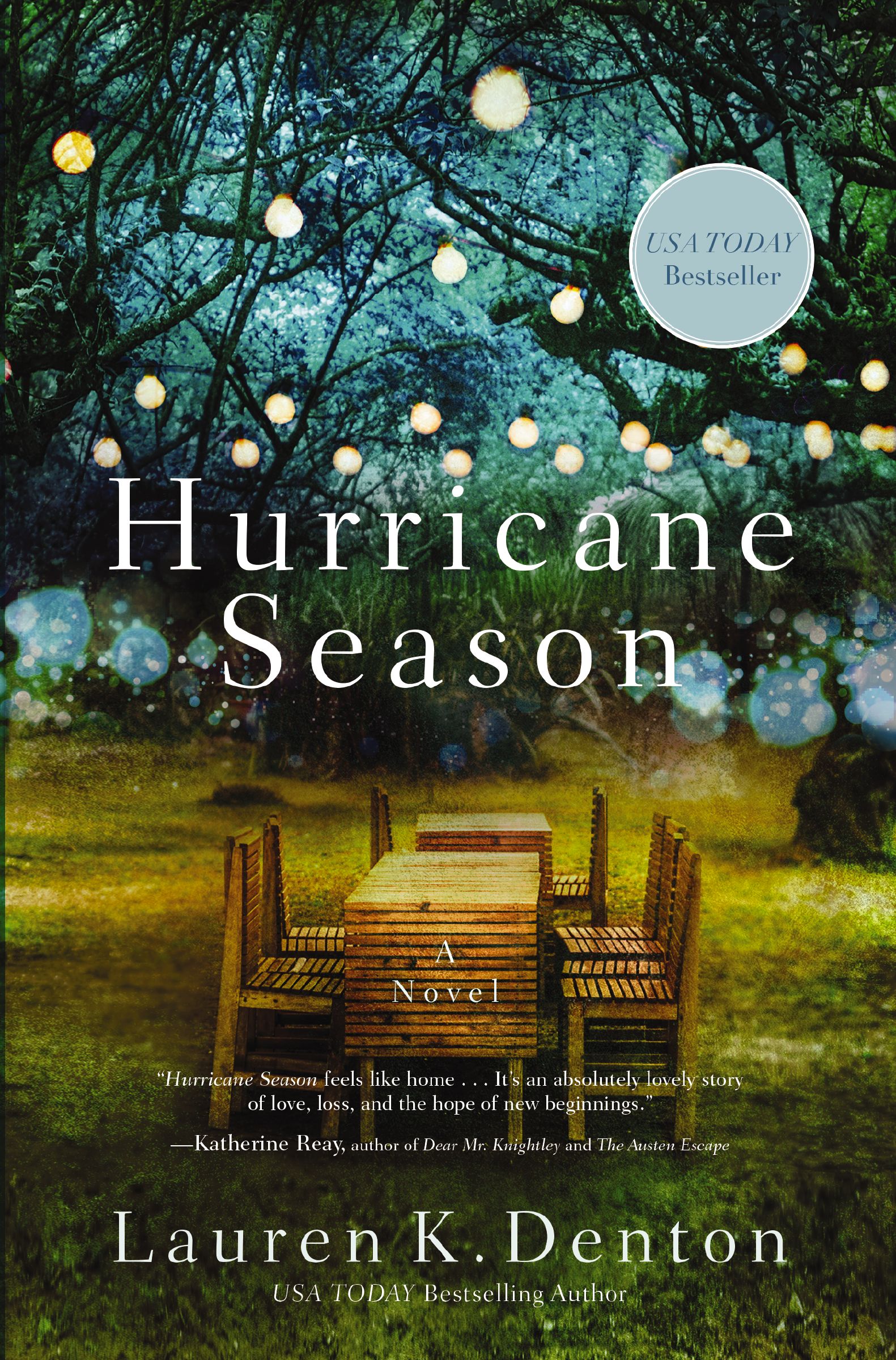
Hurricane Season

Twinkle, Twinkle, Little Star (Indestructibles Series)

The Silent Woman (Cat Carlisle, Book 1)

You Be You: Detox Your Life, Crush Your Limitations, and Own Your Awesome

There Was an Old Lady Who Swallowed a Chick!

Secrets Between Us: An absolutely gripping psychological thriller
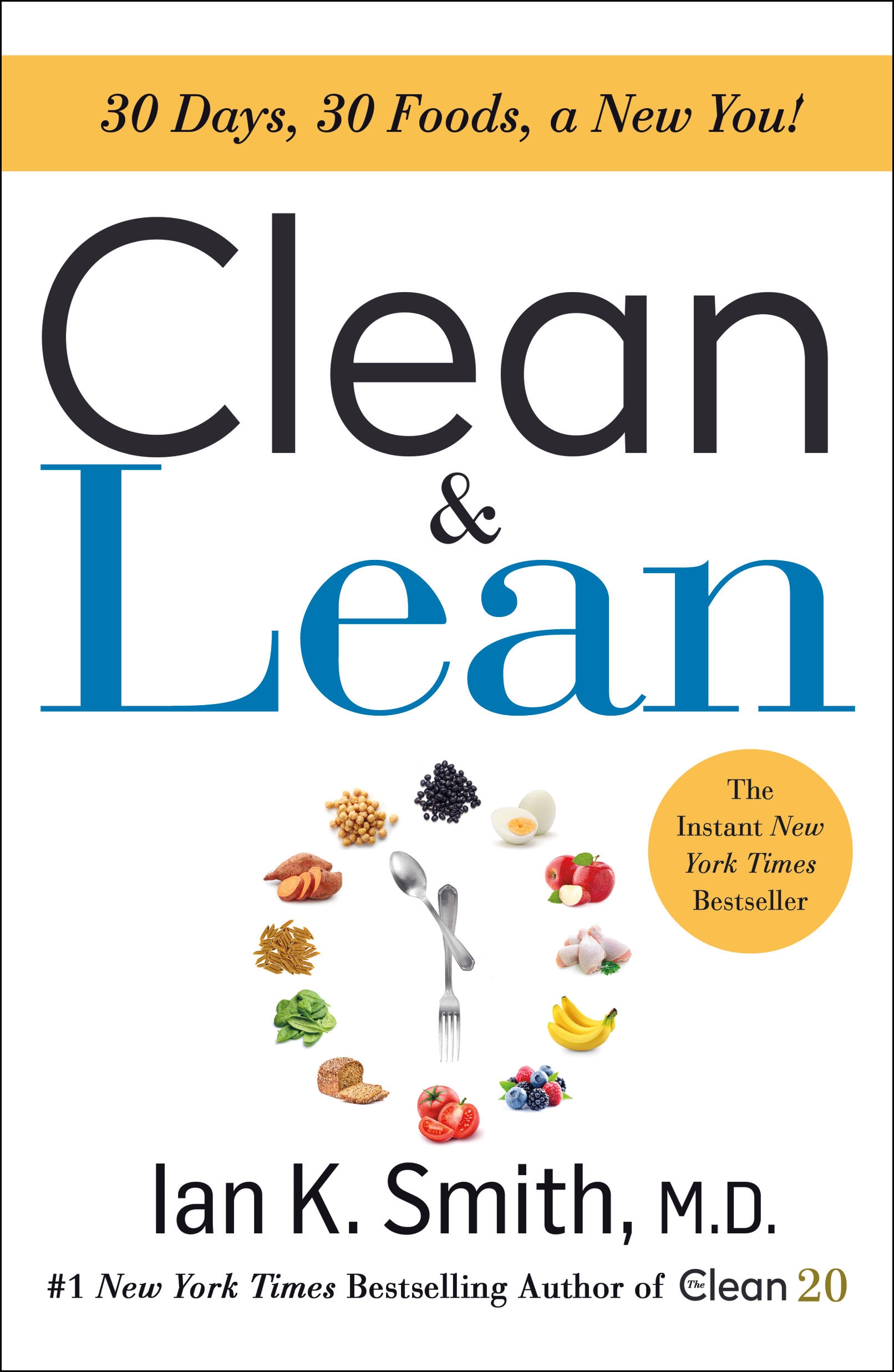
Clean & Lean: 30 Days, 30 Foods, a New You!

Row, Row, Row Your Boat (Indestructibles Series)

Going to School
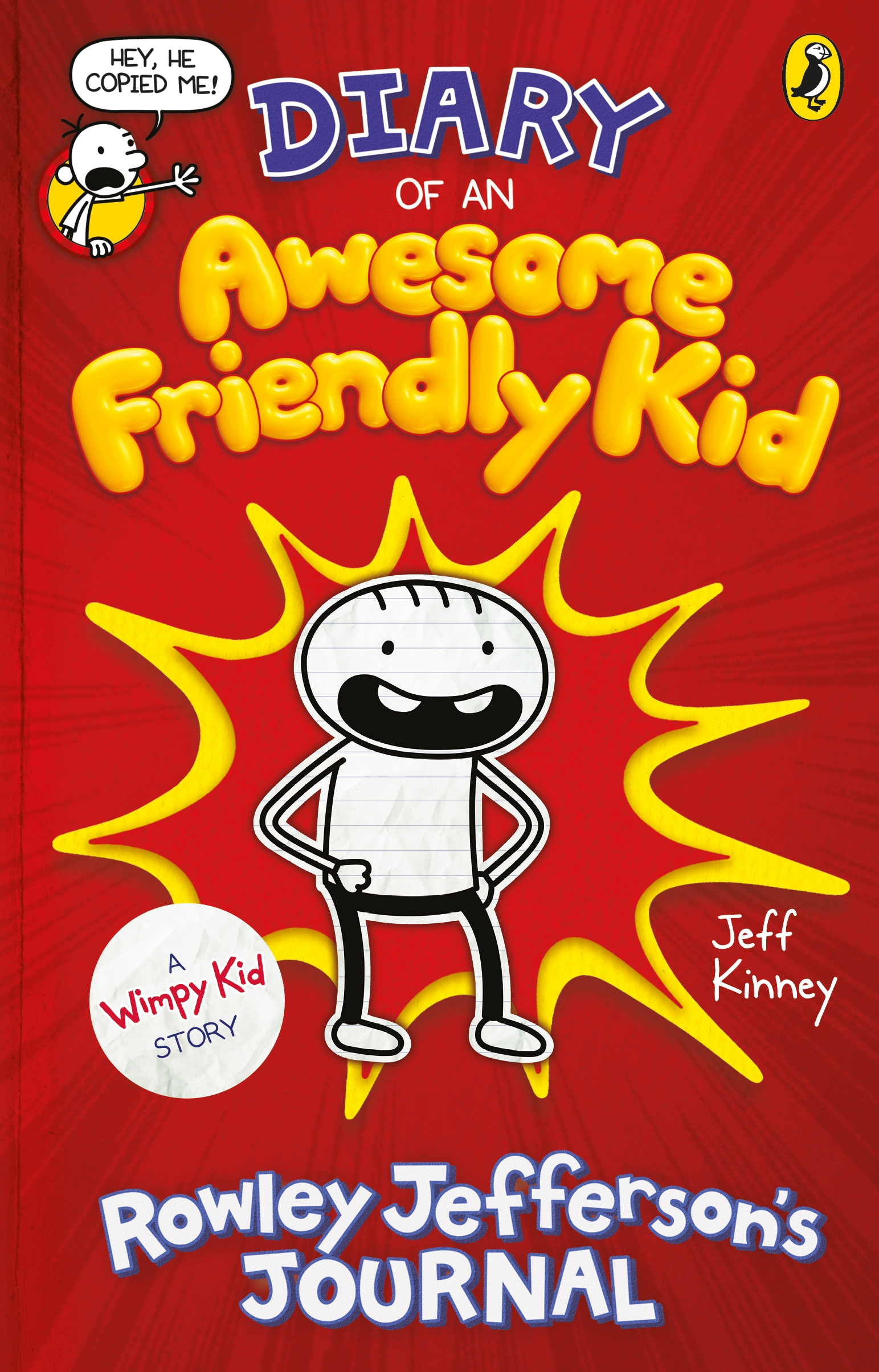
Diary of an Awesome Friendly Kid: Rowley Jefferson's Journal

We Are Not Friends (You Are Not Small)

Life Will Be the Death of Me: ...And You Too!
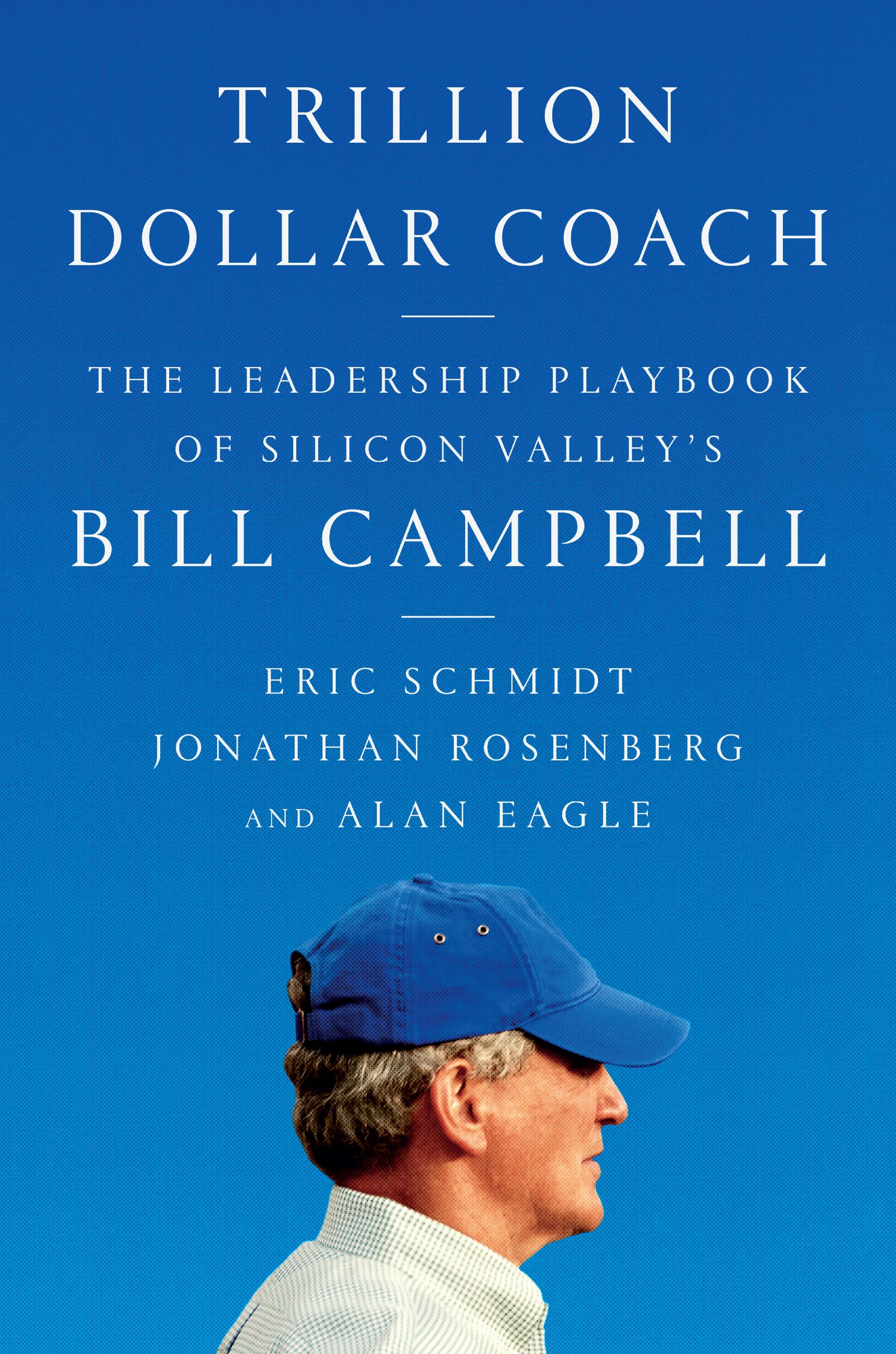
Trillion Dollar Coach: The Leadership Playbook of Silicon Valley's Bill Campbell
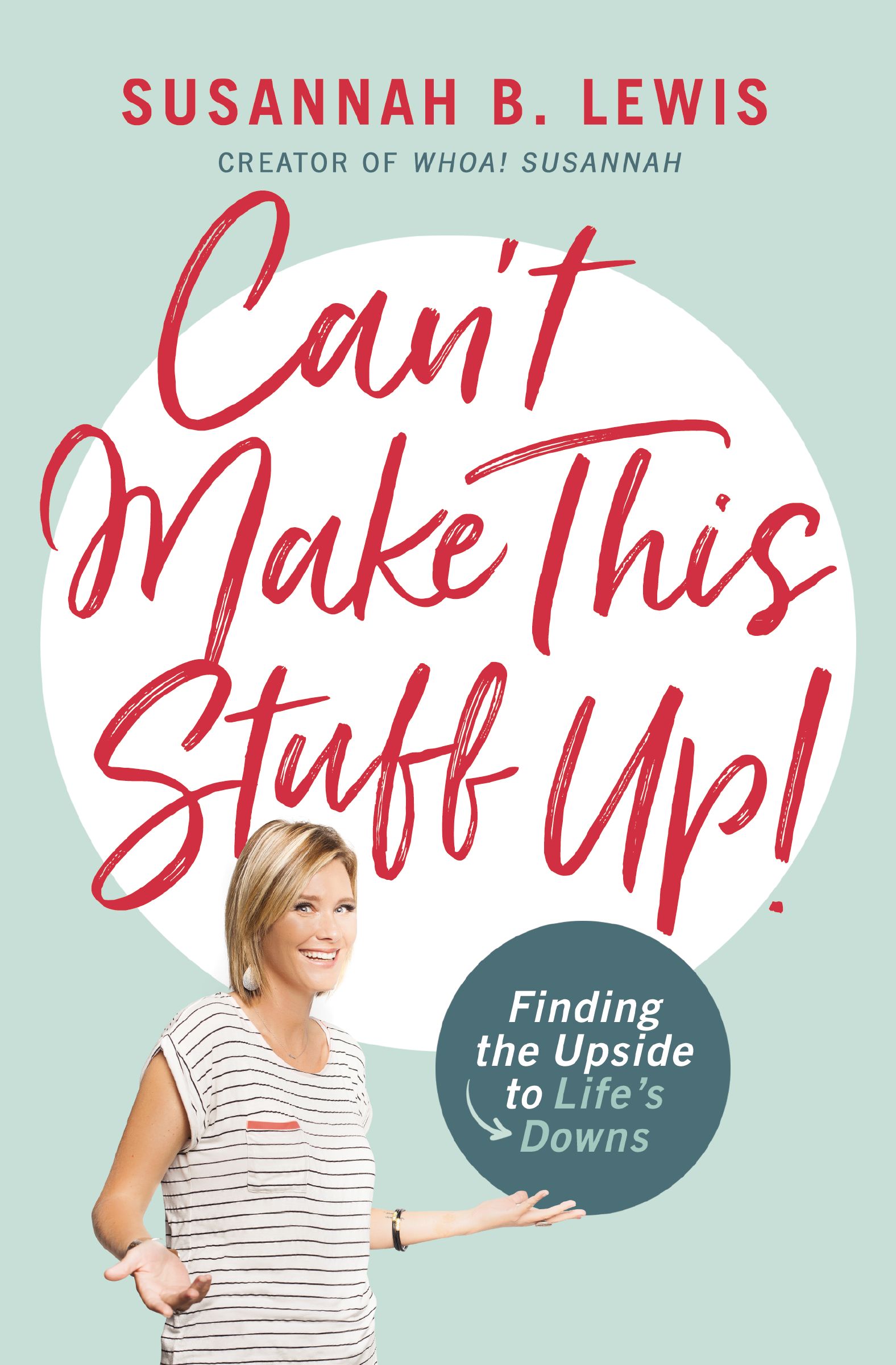
Can't Make This Stuff Up!: Finding the Upside to Life's Downs

The Wonderful Things You Will Be

Made for Me

House of Shadows: An Enthralling Historical Mystery

Commander in Cheat: How Golf Explains Trump

The Book Club

Feed Your Best Friend Better: Easy, Nutritious Meals and Treats for Dogs

The Secret Wife: A captivating story of romance, passion and mystery

Settings
Reflow text when sidebars are open.
