
- Browse Category
Subjects
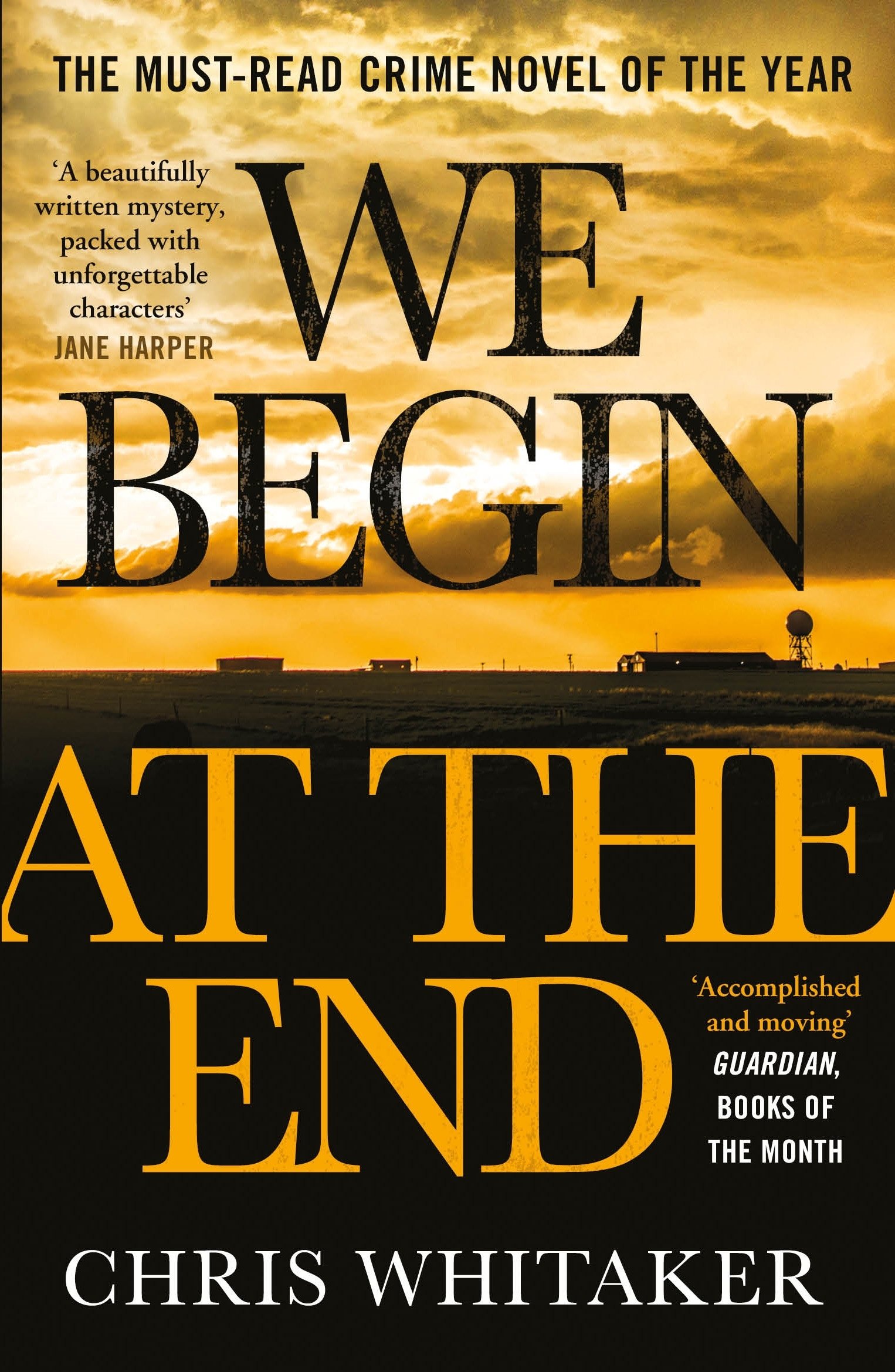 We Begin at the EndLearn More
 - Choice Picks
- Top 100 Free Books
- Blog
- Recently Added
- Submit your eBook
- Browse Category
We Begin at the EndLearn More
- Choice Picks
- Top 100 Free Books
- Blog
- Recently Added
- Submit your eBook

When the Nerds Go Marching In: How Digital Technology Moved from the Margins to the Mainstream of Political Campaigns
2021-01-06 20:59:35
Digital technology has moved from the margins to the mainstream of campaign and election organization in contemporary democracies. Previously considered a mere novelty item, technology has become a basic necessity for any candidate or party contempla...
Read more
Digital technology has moved from the margins to the mainstream of campaign and election organization in contemporary democracies. Previously considered a mere novelty item, technology has become a basic necessity for any candidate or party contemplating a run for political office. While it isdifficult to pinpoint exactly when the first digital campaign was officially launched, the general consensus is that the breakthrough moment, at least in terms of public awareness, came during the 1992 U.S. election cycle. At the presidential level, it was Democratic nominee Bill Clinton who laidclaim to this virtual terra nova after his staff uploaded a series of basic text files with biographical information for voters to browse. Since that time, use of the internet in elections has expanded dramatically in the U.S. and elsewhere.When the Nerds Go Marching In examines the increasing role and centrality of the internet within election campaigns across established democracies since the 1990s. Combining an extensive review of existing literature and comparative data sources with original survey evidence and web content analysisof digital campaign content across four nations - the UK, Australia, France, and the U.S. - the book maps the key shifts in the role and centrality of the internet in election campaigns over a twenty year period.Specifically, Gibson sets out the case for four phases of development in digital campaigns, from early amateur experimentation and standardization, to more strategic mobilization of activists and voters. In addition to charting the way these developments changed external interactions with citizens,Gibson details how this evolution is transforming the internal structure of political campaigns. Despite some early signs that the internet would lead to the devolution of power to members and supporters, more recent developments have seen the emergence of a new digitally literate cohort of dataanalysts and software engineers in campaign organizations. This group exercises increasing influence over key decision-making tasks. Given the resource implications of this new "data-driven" mode of digital campaigning, the book asserts that smaller political players face an even greater challengeto compete with their bigger rivals. Based on her findings, Gibson also speculates on the future direction for political campaigns as they increasingly rely on digital tools and artificial intelligence for direction and decision-making during elections.
Less

Compare Prices
| Store | Availability | Book Format | Condition | Price |
|---|---|---|---|---|
| Indigo Books & Music | In Stock | Paperback | Paperback | Buy CAD 32.95 |
| Indigo Books & Music | In Stock | Hard Cover | Hard Cover | Buy CAD 108.95 |
Available Discount
No Discount available
Related Books
View All
Diary of an Awesome Friendly Kid: Rowley Jefferson's Journal

Clean & Lean: 30 Days, 30 Foods, a New You!

Made for Me

Twinkle, Twinkle, Little Star (Indestructibles Series)

House of Shadows: An Enthralling Historical Mystery

The Book Club

Row, Row, Row Your Boat (Indestructibles Series)

Commander in Cheat: How Golf Explains Trump

Life Will Be the Death of Me: ...And You Too!
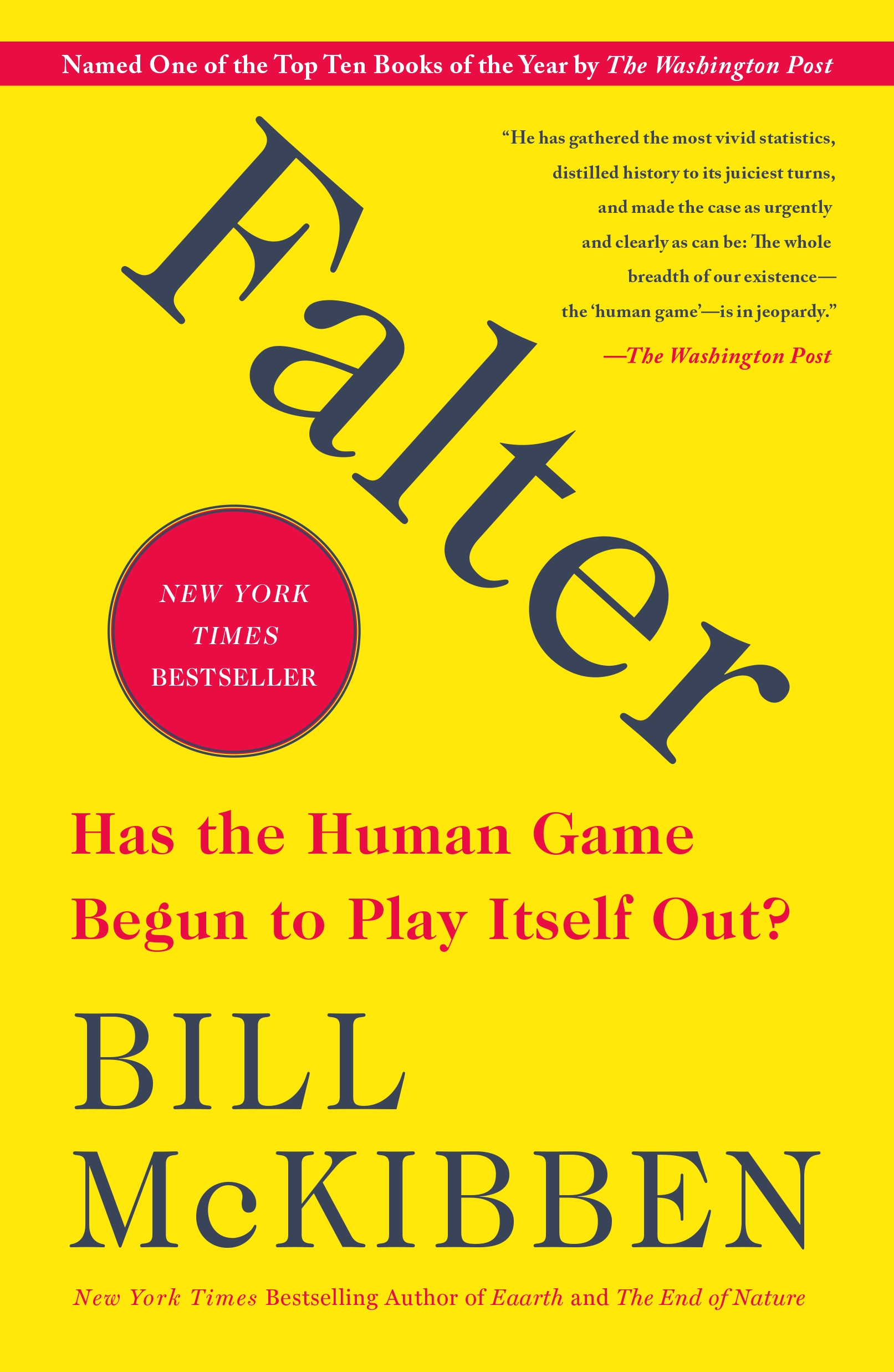
Falter: Has the Human Game Begun to Play Itself Out?

Going to School

The Wonderful Things You Will Be

American Moonshot: John F. Kennedy and the Great Space Race

There Was an Old Lady Who Swallowed a Chick!

Good Night, Little Blue Truck

Hurricane Season
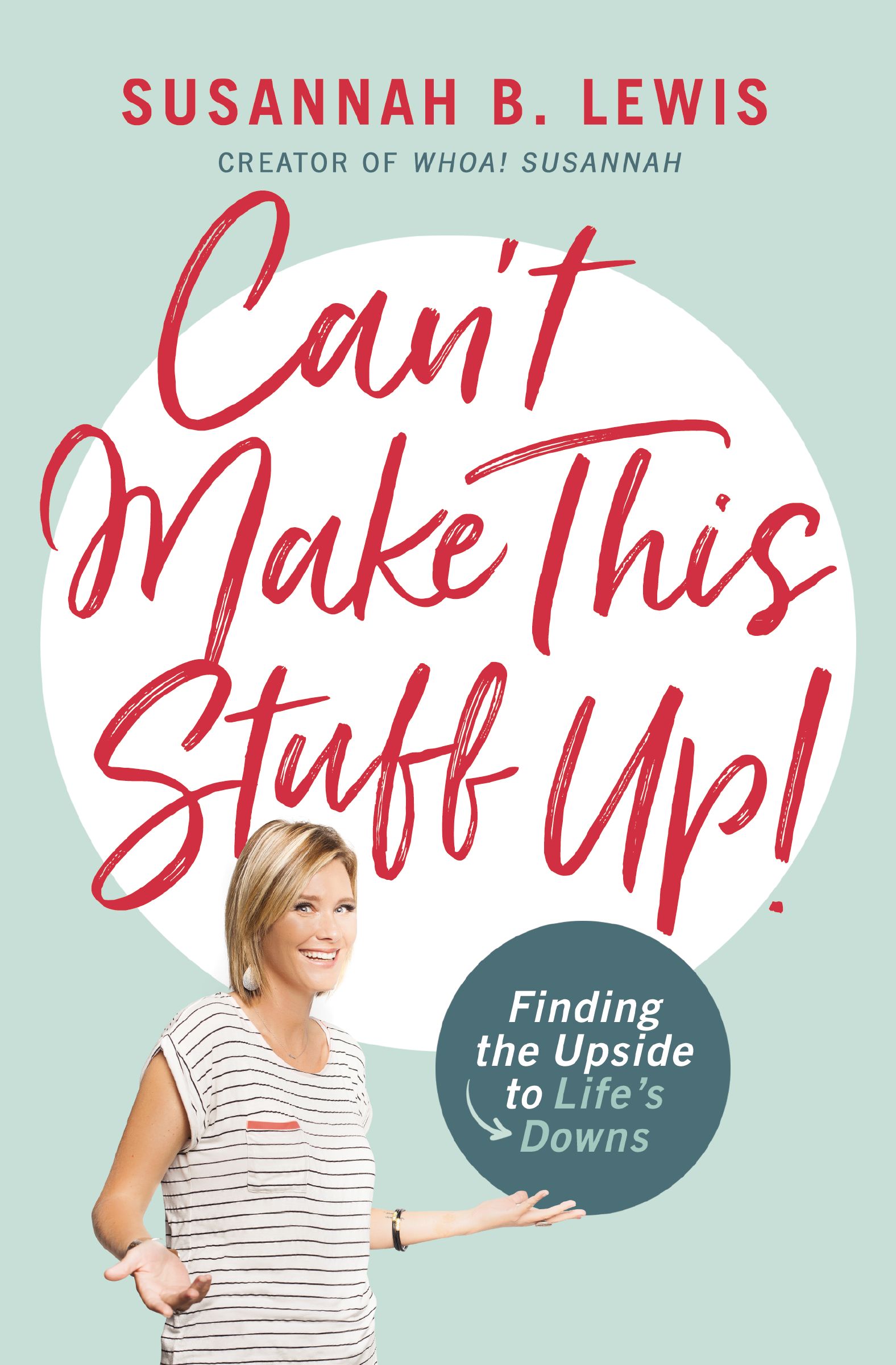
Can't Make This Stuff Up!: Finding the Upside to Life's Downs
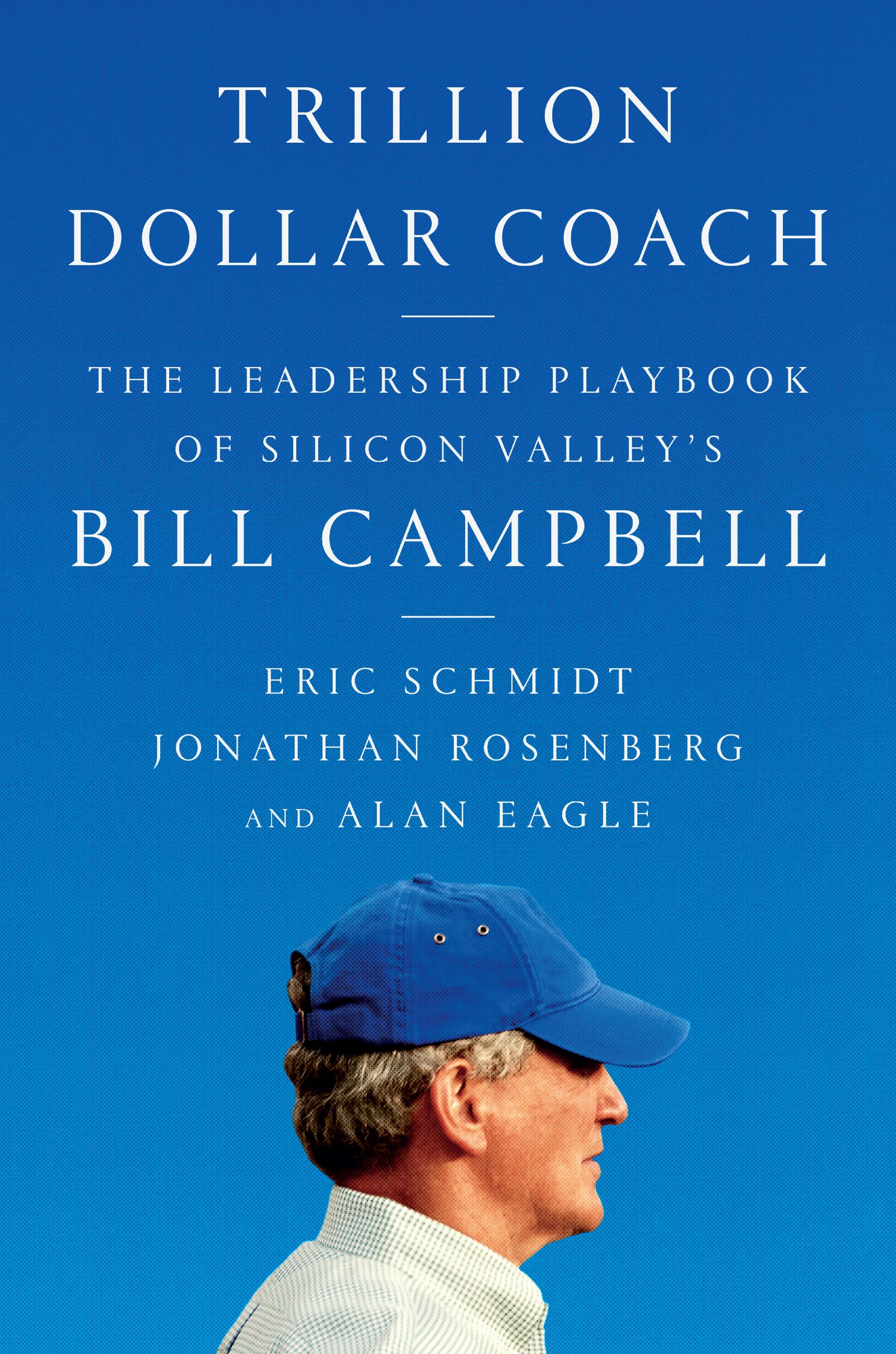
Trillion Dollar Coach: The Leadership Playbook of Silicon Valley's Bill Campbell

The Secret Wife: A captivating story of romance, passion and mystery

Secrets Between Us: An absolutely gripping psychological thriller

You Be You: Detox Your Life, Crush Your Limitations, and Own Your Awesome

The Silent Woman (Cat Carlisle, Book 1)

Feed Your Best Friend Better: Easy, Nutritious Meals and Treats for Dogs

We Are Not Friends (You Are Not Small)
The Pout-Pout Fish

Settings
Reflow text when sidebars are open.
