
- Browse Category
Subjects
 We Begin at the EndLearn More
 - Choice Picks
- Top 100 Free Books
- Blog
- Recently Added
- Submit your eBook
- Browse Category
We Begin at the EndLearn More
- Choice Picks
- Top 100 Free Books
- Blog
- Recently Added
- Submit your eBook
Who Were the First Christians?: Dismantling the Urban Thesis
2020-11-24 12:39:42
For an understanding of the early Christian movement, two matters are essential. One is the size of the movement. The other is the distribution of the movement. In regard to the first matter, it has been widely assumed that there were 6 million Chris...
Read more
For an understanding of the early Christian movement, two matters are essential. One is the size of the movement. The other is the distribution of the movement. In regard to the first matter, it has been widely assumed that there were 6 million Christians (or 10% of the population of the RomanEmpire) around the year 300. But those kinds of calculations have no substantial ancient bases or any modern method by which such numbers can be established. As to the distribution of the movement, the consensus view is that Christianity was an urban movement until the conversion of EmperorConstantine. On close examination, these two popular views-an urban Christianity of 6 million-would nearly saturate every urban area of the entire Roman Empire with Christians, leaving no room for Jews or pagans. That scenario simply does not work. But where does the solution lie? Were there fewerChristians in the Roman world? Was the Roman world much more urbanized that we previously thought? Did large numbers of Jews convert to Christianity? Or, as Thomas Robinson argues, is the urban thesis defective, and the neglected countryside must now be considered in any reconstruction of earlyChristian growth?In Who Were the First Christians? Robinson deconstructs the "urban thesis," and then goes further; he asks what was the makeup of the typical Christian congregation, and whether it was a lower-class movement or an upwardly mobile middle-class movement. In answering these questions, Robinsonengages with the influential writings of Wayne Meeks, Rodney Stark, and Ramsay MacMullen, among others. He argues persuasively that more attention needs to be given to the countryside and to the considerable contingent of the marginal and the rustic even within urban populations. The result is thatthis book effectively dismantles the long-accepted urban thesis, and proves that a profoundly revised vision of early Christian growth and development is required.
Less

Compare Prices
| Store | Availability | Book Format | Condition | Price |
|---|---|---|---|---|
| Indigo Books & Music | In Stock | Hard Cover | Hard Cover | Buy CAD 81.50 |
Available Discount
No Discount available
Related Books
View All
The Secret Wife: A captivating story of romance, passion and mystery

Twinkle, Twinkle, Little Star (Indestructibles Series)

Good Night, Little Blue Truck

Life Will Be the Death of Me: ...And You Too!

The Book Club

Row, Row, Row Your Boat (Indestructibles Series)
Can't Make This Stuff Up!: Finding the Upside to Life's Downs
Clean & Lean: 30 Days, 30 Foods, a New You!

We Are Not Friends (You Are Not Small)

There Was an Old Lady Who Swallowed a Chick!
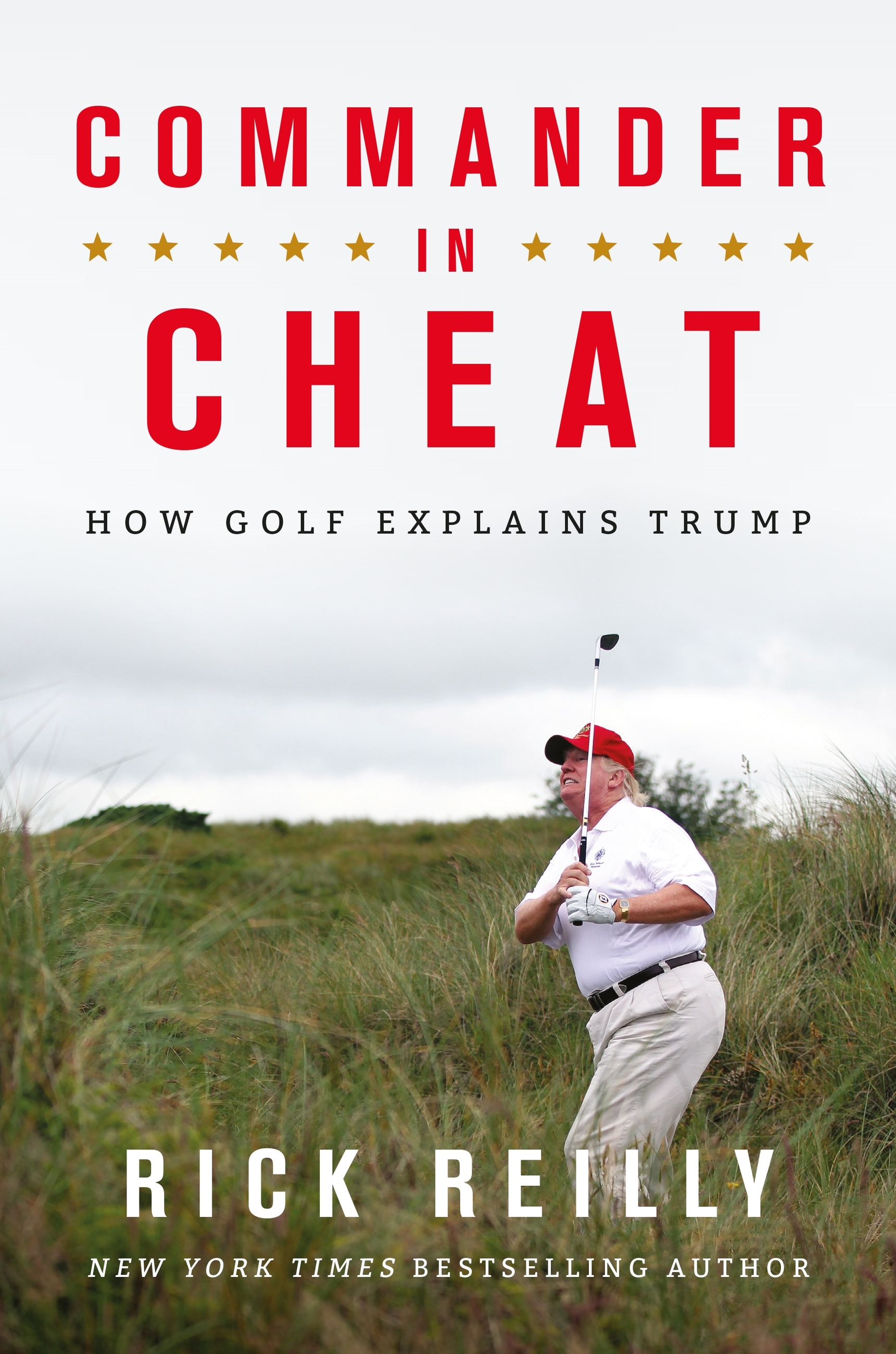
Commander in Cheat: How Golf Explains Trump
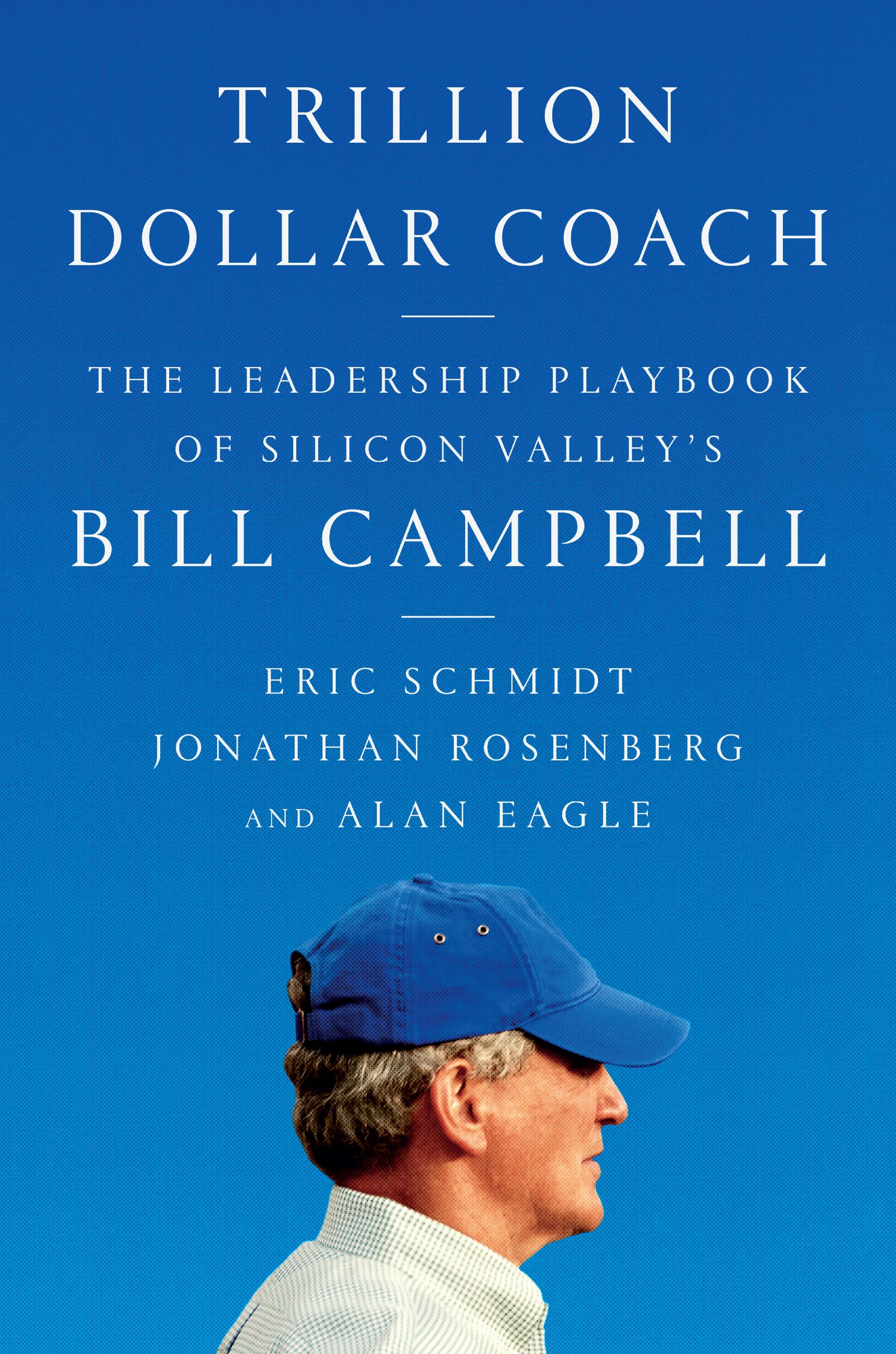
Trillion Dollar Coach: The Leadership Playbook of Silicon Valley's Bill Campbell

Going to School
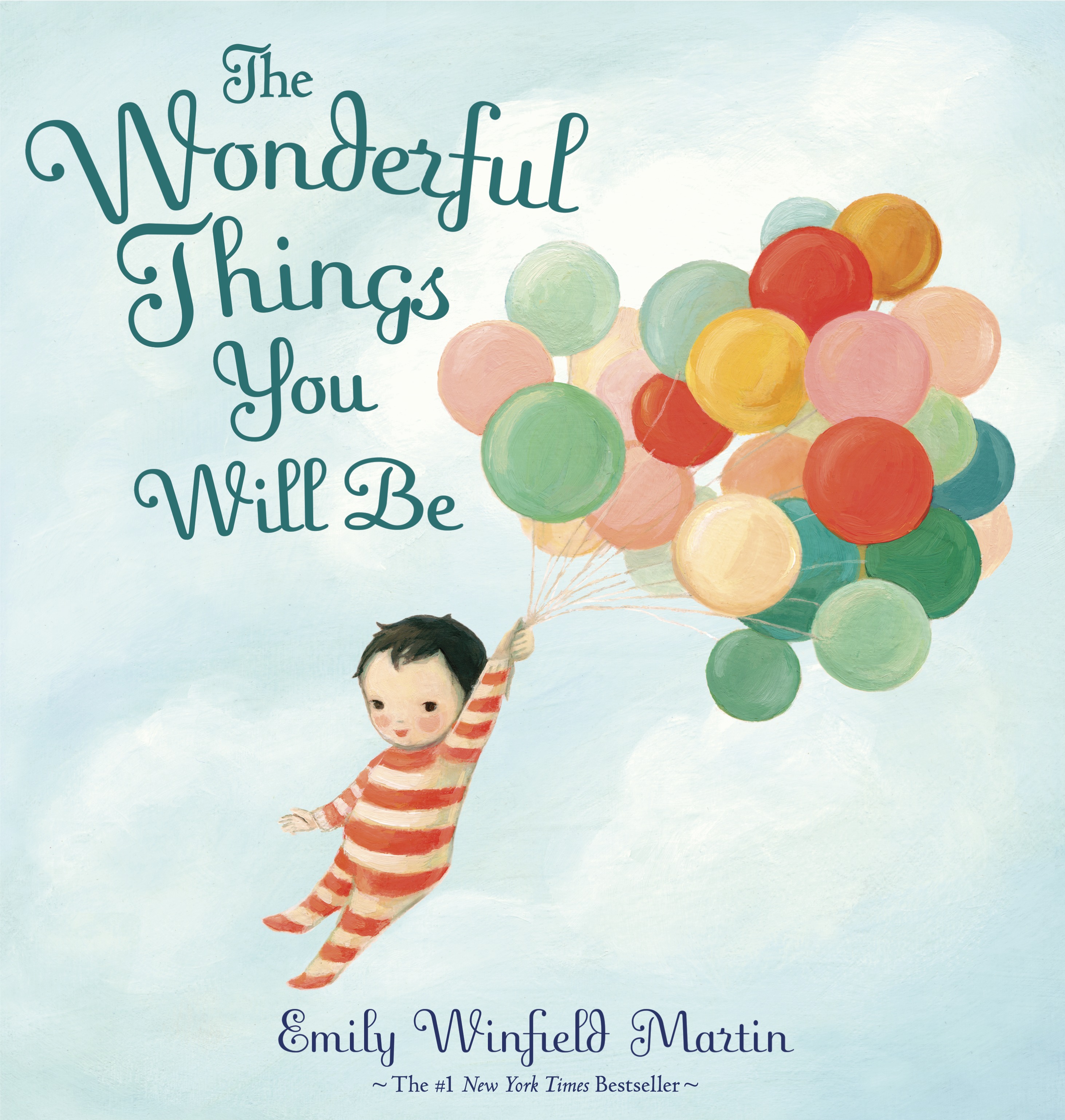
The Wonderful Things You Will Be
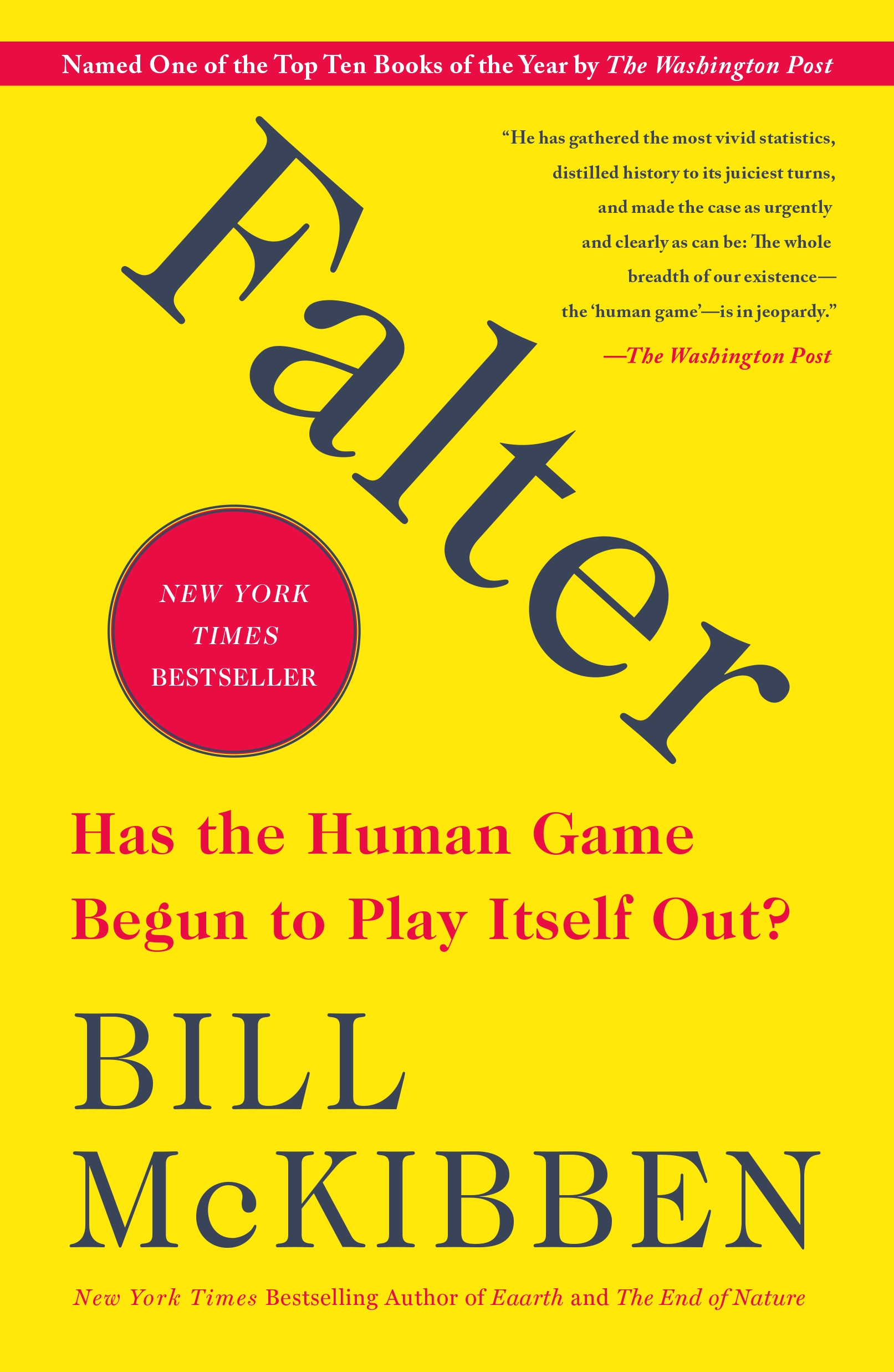
Falter: Has the Human Game Begun to Play Itself Out?
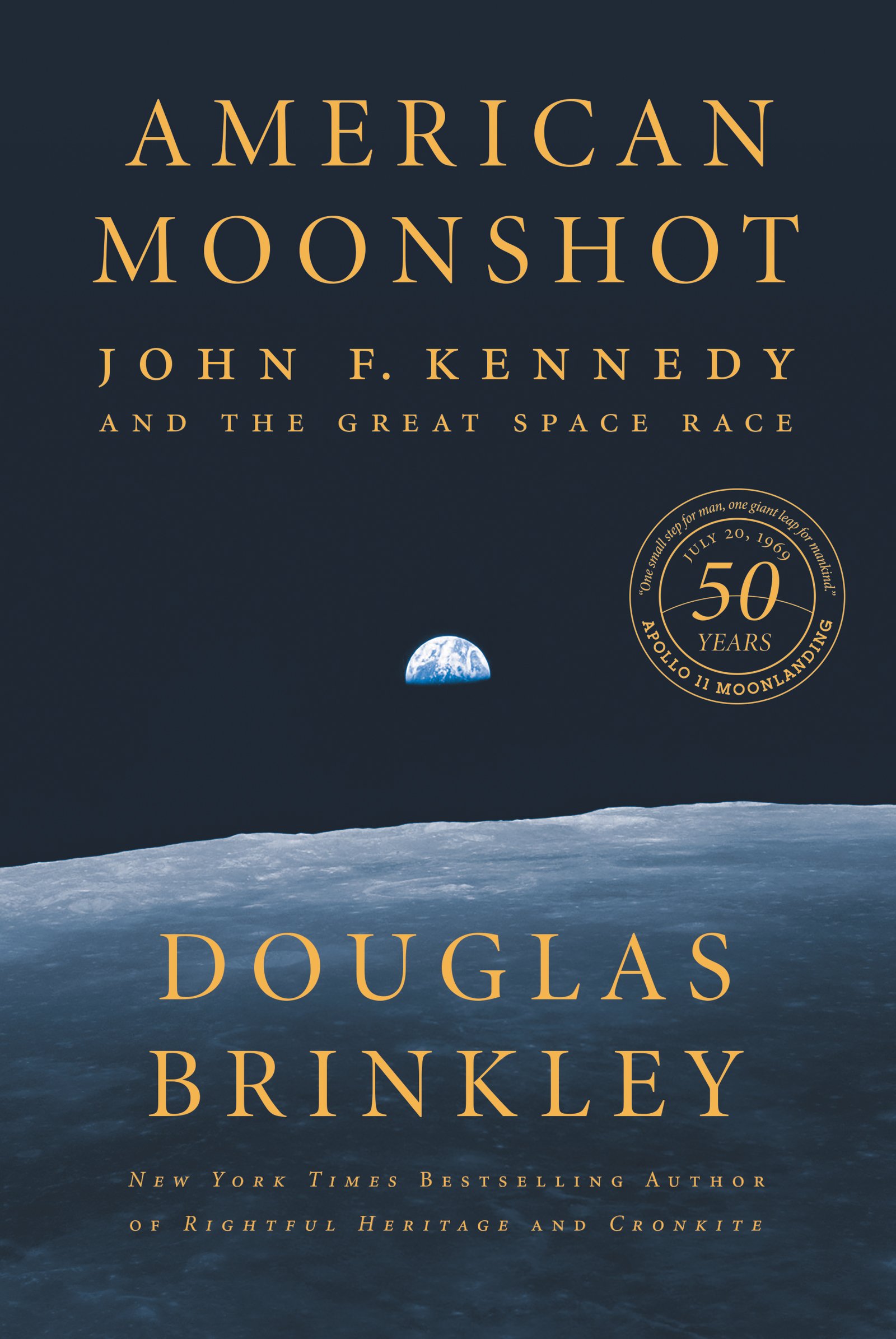
American Moonshot: John F. Kennedy and the Great Space Race

You Be You: Detox Your Life, Crush Your Limitations, and Own Your Awesome

Diary of an Awesome Friendly Kid: Rowley Jefferson's Journal

House of Shadows: An Enthralling Historical Mystery

The Silent Woman (Cat Carlisle, Book 1)

Secrets Between Us: An absolutely gripping psychological thriller
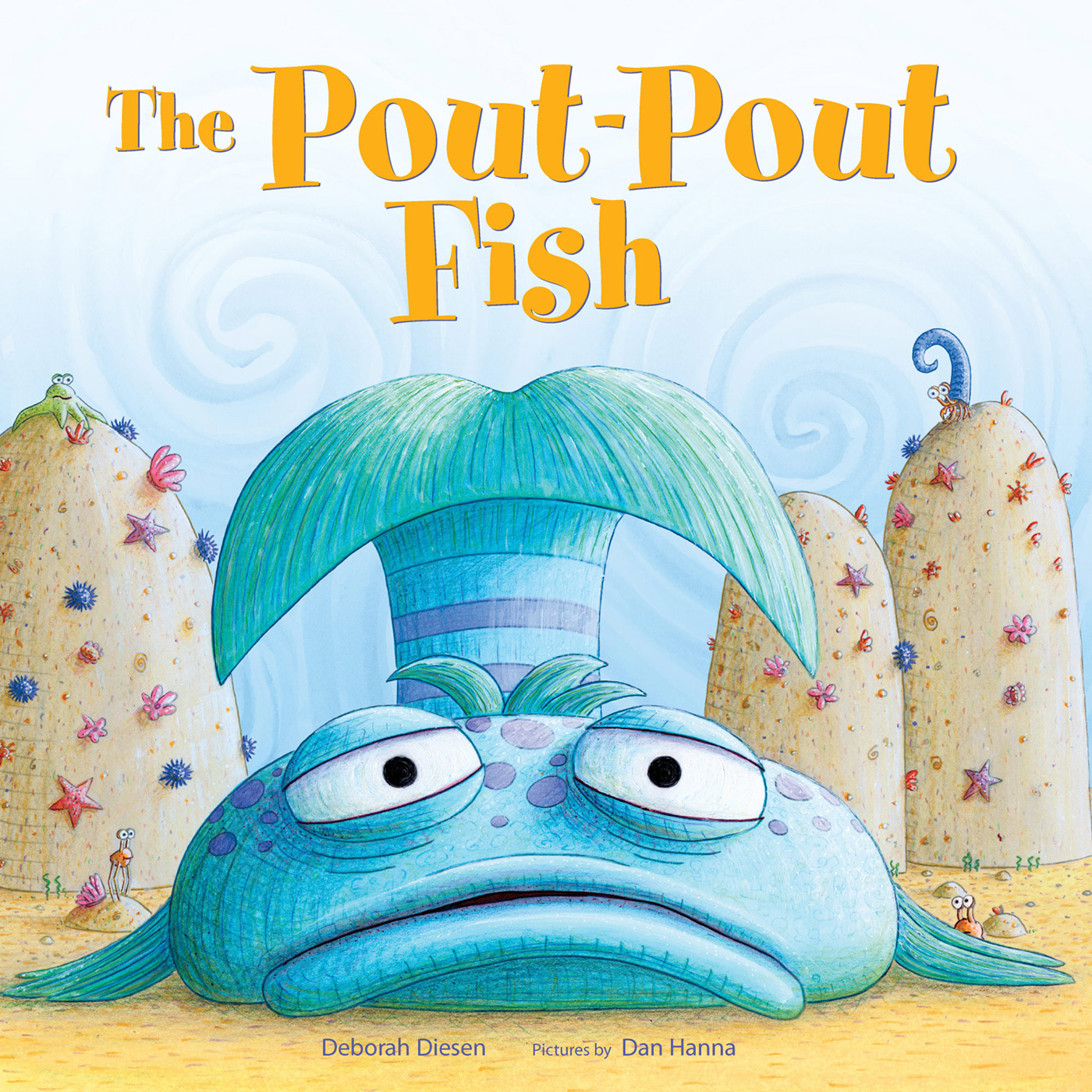
The Pout-Pout Fish

Feed Your Best Friend Better: Easy, Nutritious Meals and Treats for Dogs
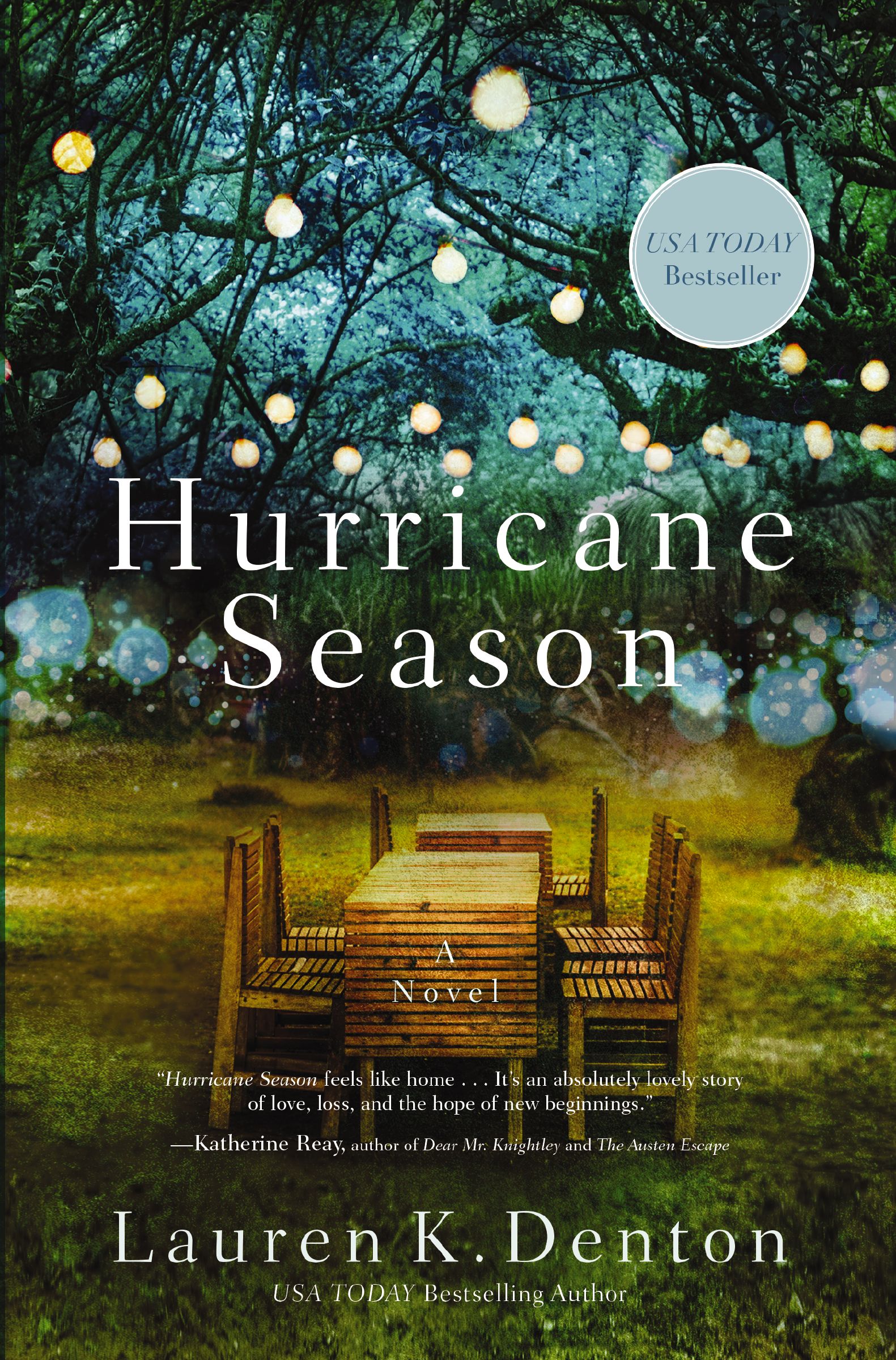
Hurricane Season

Made for Me

Settings
Reflow text when sidebars are open.
