
- Browse Category
Subjects
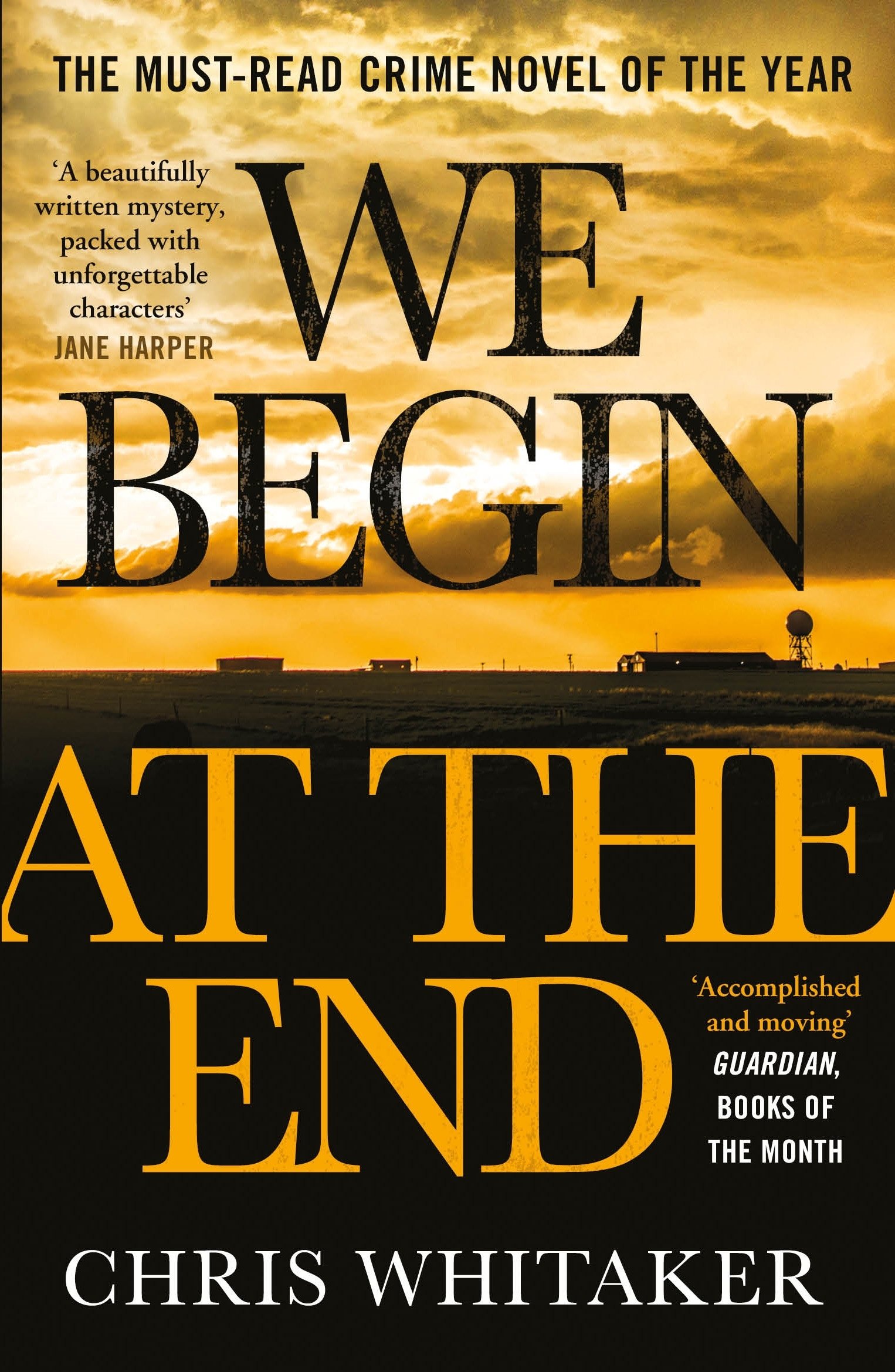 We Begin at the EndLearn More
 - Choice Picks
- Top 100 Free Books
- Blog
- Recently Added
- Submit your eBook
- Browse Category
We Begin at the EndLearn More
- Choice Picks
- Top 100 Free Books
- Blog
- Recently Added
- Submit your eBook
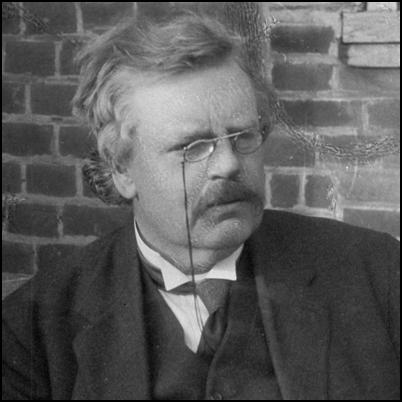
G. F. Watts G. K. Chesterton Author
2021-04-07 02:01:22
a general way, than talking about a century as if it were some kind of animal with a head and tail,instead of an arbitrary length cut from an unending scroll. Nor is it less erroneous to assume thateven if a period be definitely vital or disturbing, ...
Read more
a general way, than talking about a century as if it were some kind of animal with a head and tail,instead of an arbitrary length cut from an unending scroll. Nor is it less erroneous to assume thateven if a period be definitely vital or disturbing, art must be a mirror of it; the greatest political stormflutters only a fringe of humanity; poets, like bricklayers, work on through a century of wars, andBewick's birds, to take an instance, have the air of persons unaffected by the French Revolution. Butin the case of Watts there are two circumstances which render the dates relevant. The first is that thenineteenth century was self-conscious, believed itself to be an idea and an atmosphere, and changedits name from a chronological almost to a philosophical term. I do not know whether all centuriesdo this or whether an advanced and progressive organ called The Eleventh Century was ever incontemplation in the dawn of the Middle Ages. But with us it is clear that a certain spirit was rightlyor wrongly associated with the late century and that it called up images and thoughts like any historicor ritual date, like the Fourth of July or the First of April. What these images and thoughts were weshall be obliged in a few minutes and in the interests of the subject to inquire. But this is the firstcircumstance which renders the period important; and the second is that it has always been soregarded by Watts himself. He, more than any other modern man, more than politicians whothundered on platforms or financiers who captured continents, has sought in the midst of his quietand hidden life to mirror his age. He was born in the white and austere dawn of that great reformingcentury, and he has lingered after its grey and doubtful close. He is above all things a typical figure, asurvival of the nineteenth century.It will appear to many a somewhat grotesque matter to talk about a period in which most of uswere born and which has only been dead a year or two, as if it were a primal Babylonian empire ofwhich only a few columns are left crumbling in the desert. And yet such is, in spirit, the fact. Thereis no more remarkable psychological element in history than the way in which a period can suddenlybecome unintelligible. To the early Victorian period we have in a moment lost the key: the CrystalPalace is the temple of a forgotten creed.
Less
Compare Prices
| Store | Availability | Book Format | Condition | Price |
|---|---|---|---|---|
| Indigo Books & Music | In Stock | Hard Cover | Hard Cover | Buy CAD 34.46 |
| Indigo Books & Music | In Stock | Buy CAD 31.95 | ||
| Barnes & Noble | In Stock | Paperback | Paperback | Buy USD 27.99 |
| Indigo Books & Music | In Stock | Paperback | Paperback | Buy CAD 25.99 |
Available Discount
No Discount available
Related Books
View All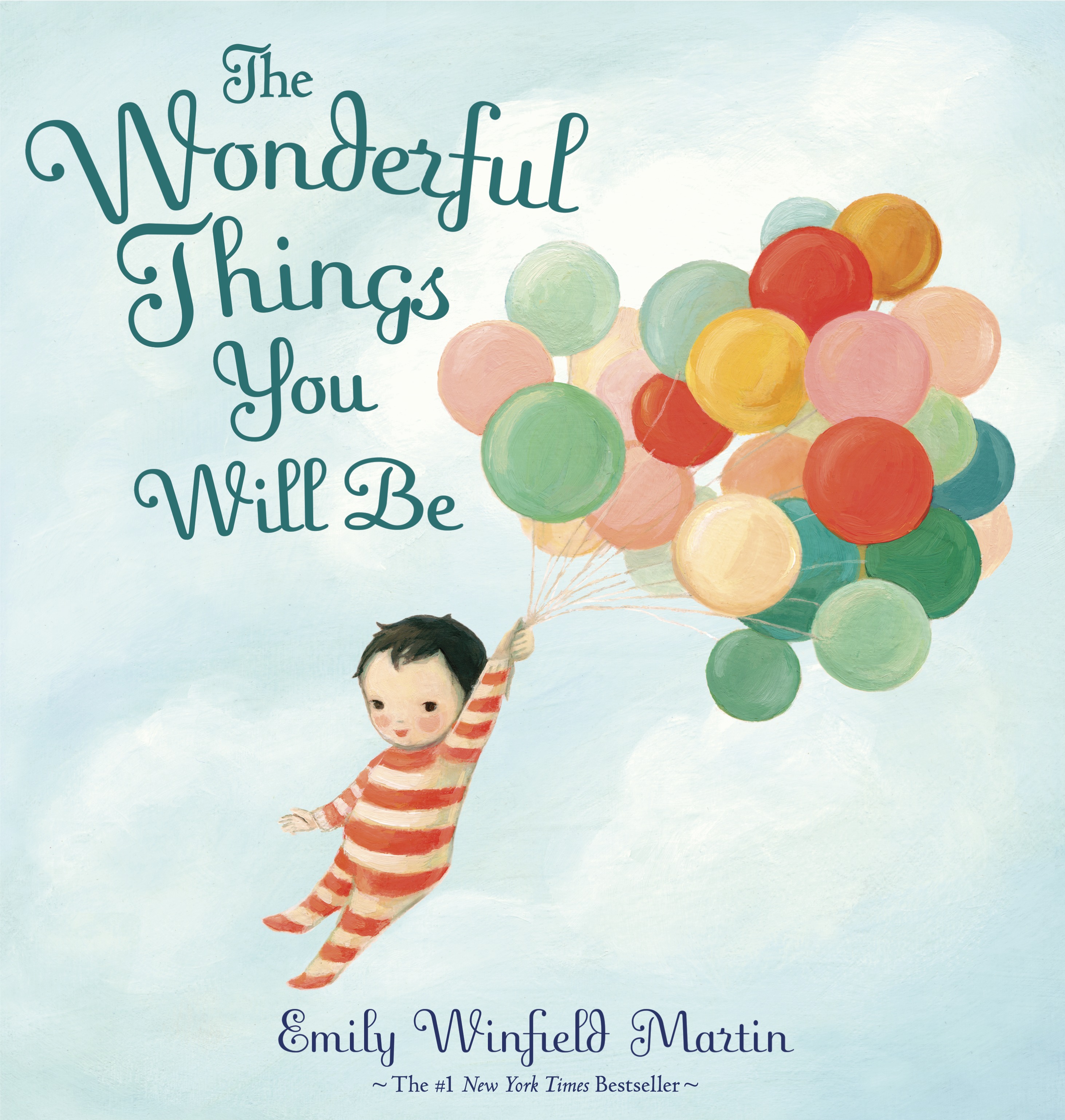
The Wonderful Things You Will Be
Hurricane Season

You Be You: Detox Your Life, Crush Your Limitations, and Own Your Awesome

There Was an Old Lady Who Swallowed a Chick!
Falter: Has the Human Game Begun to Play Itself Out?
American Moonshot: John F. Kennedy and the Great Space Race

Life Will Be the Death of Me: ...And You Too!

Made for Me
Can't Make This Stuff Up!: Finding the Upside to Life's Downs
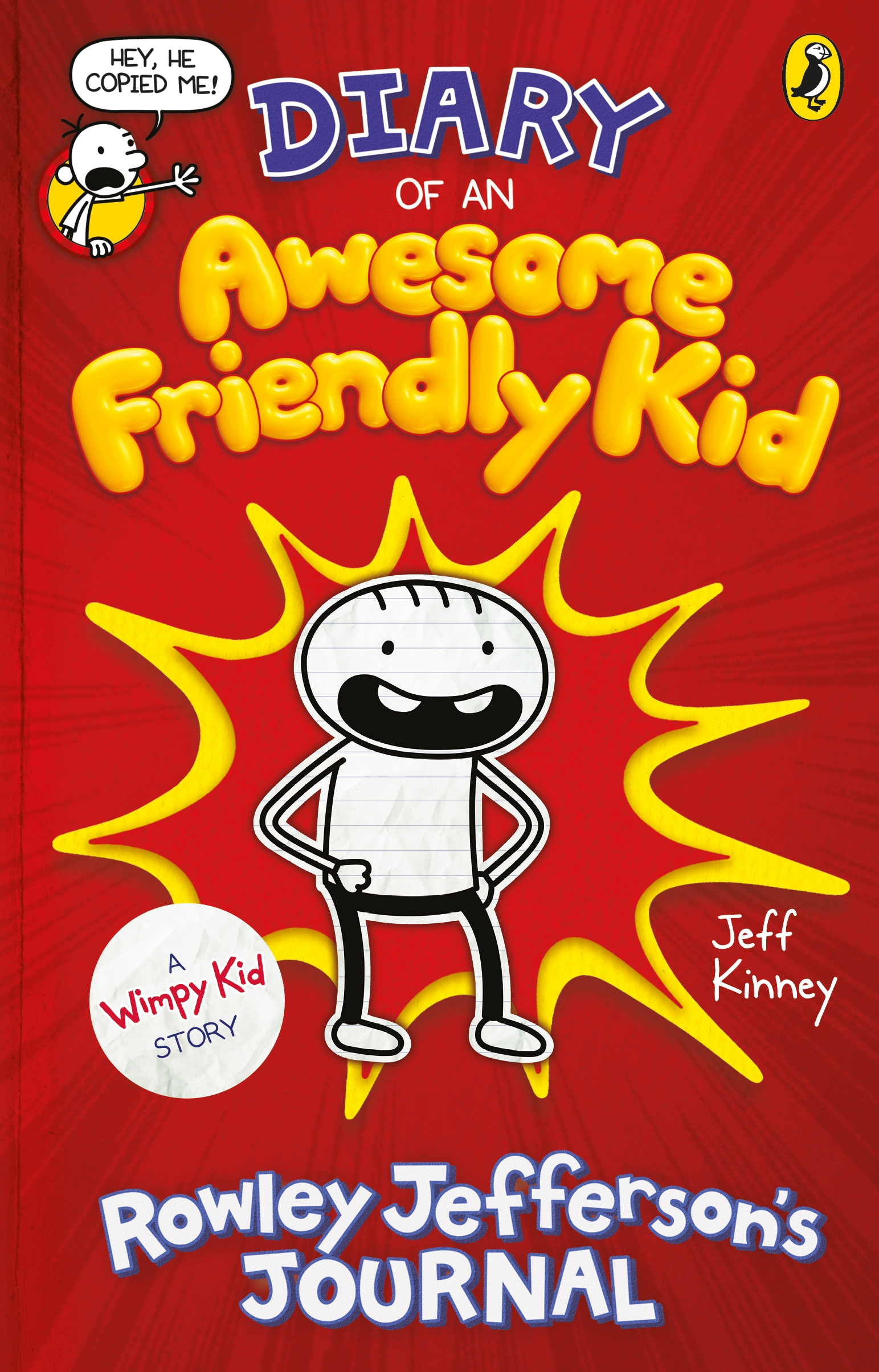
Diary of an Awesome Friendly Kid: Rowley Jefferson's Journal

House of Shadows: An Enthralling Historical Mystery

We Are Not Friends (You Are Not Small)

Row, Row, Row Your Boat (Indestructibles Series)
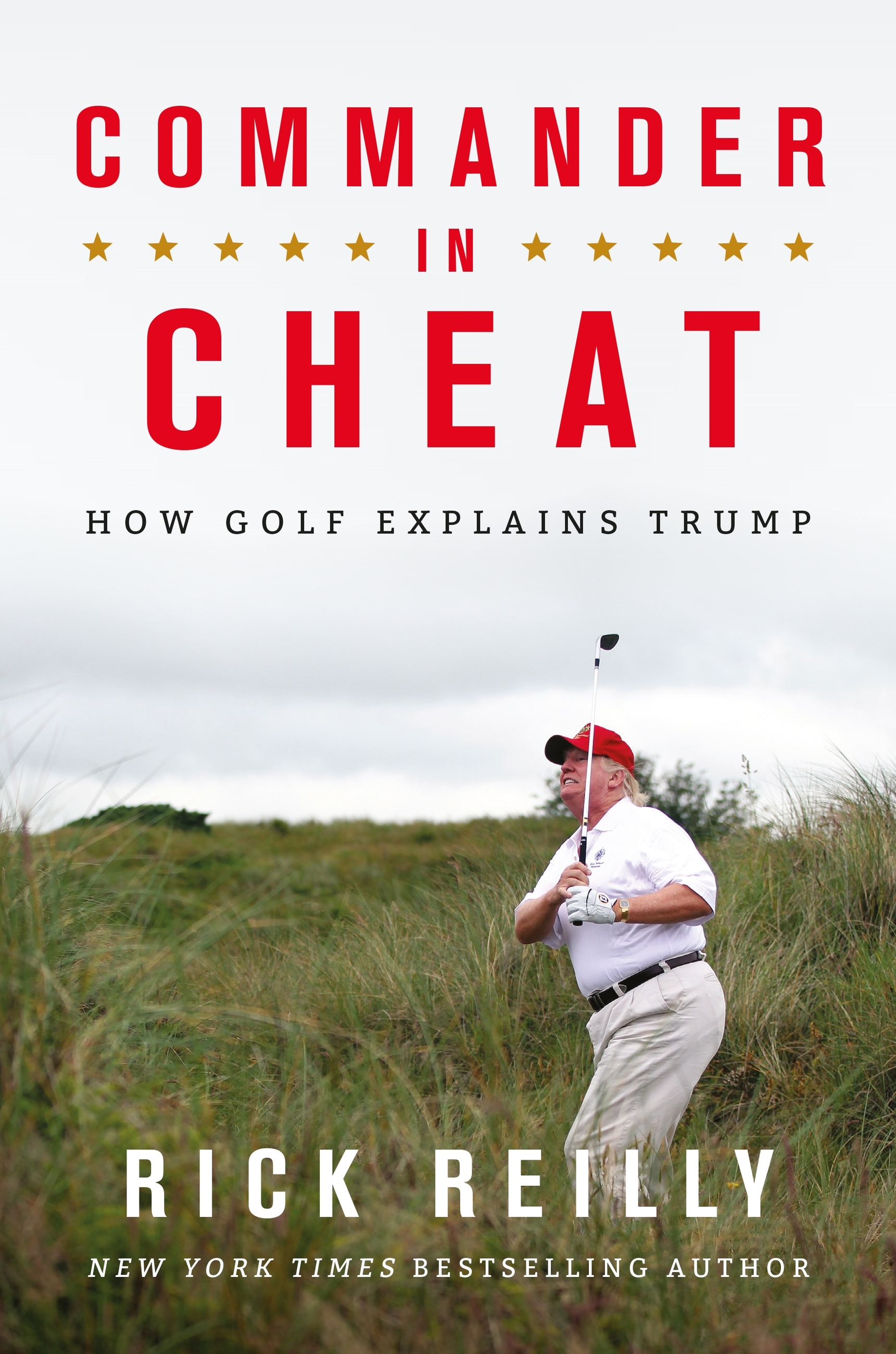
Commander in Cheat: How Golf Explains Trump

The Secret Wife: A captivating story of romance, passion and mystery
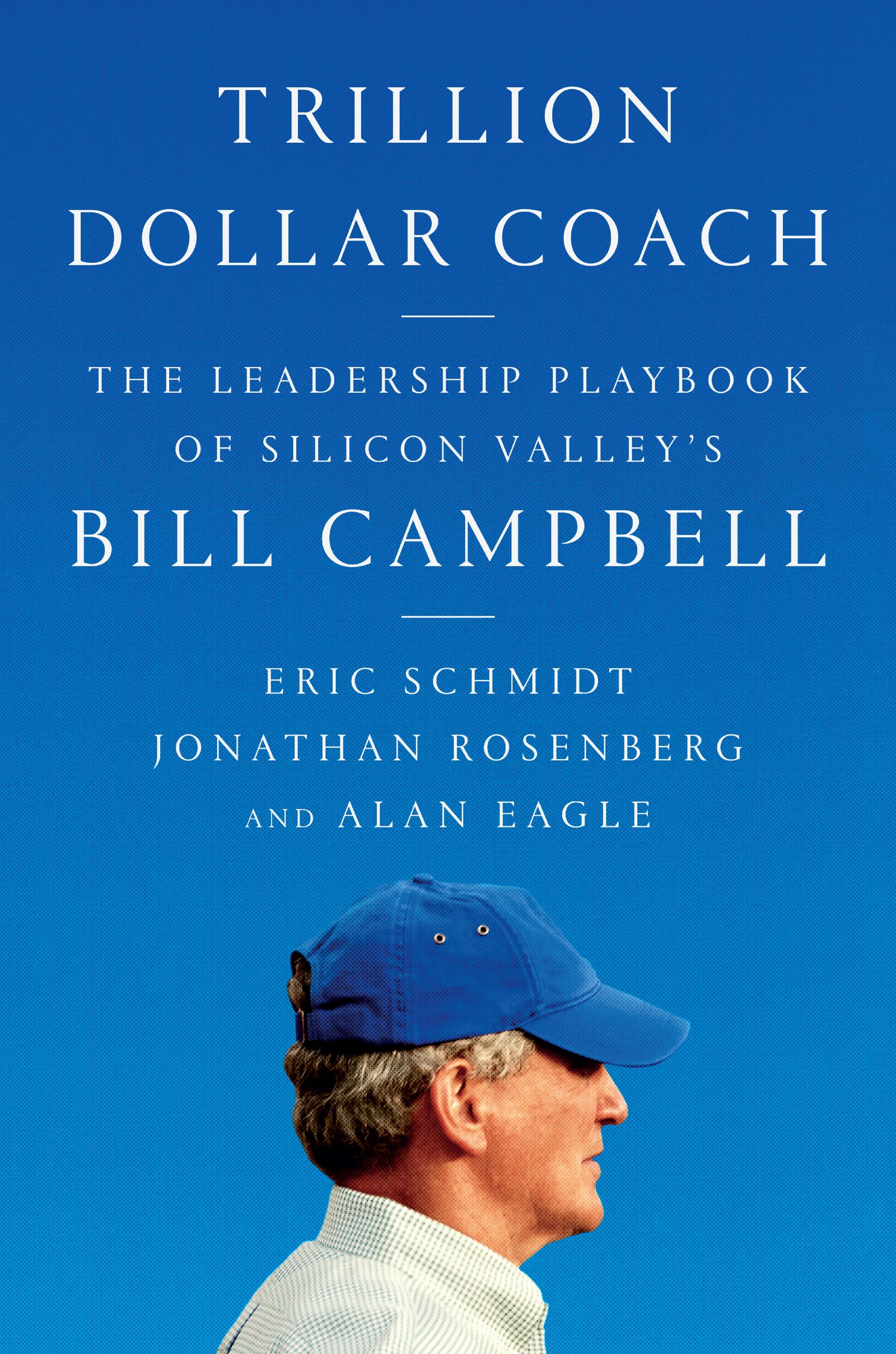
Trillion Dollar Coach: The Leadership Playbook of Silicon Valley's Bill Campbell
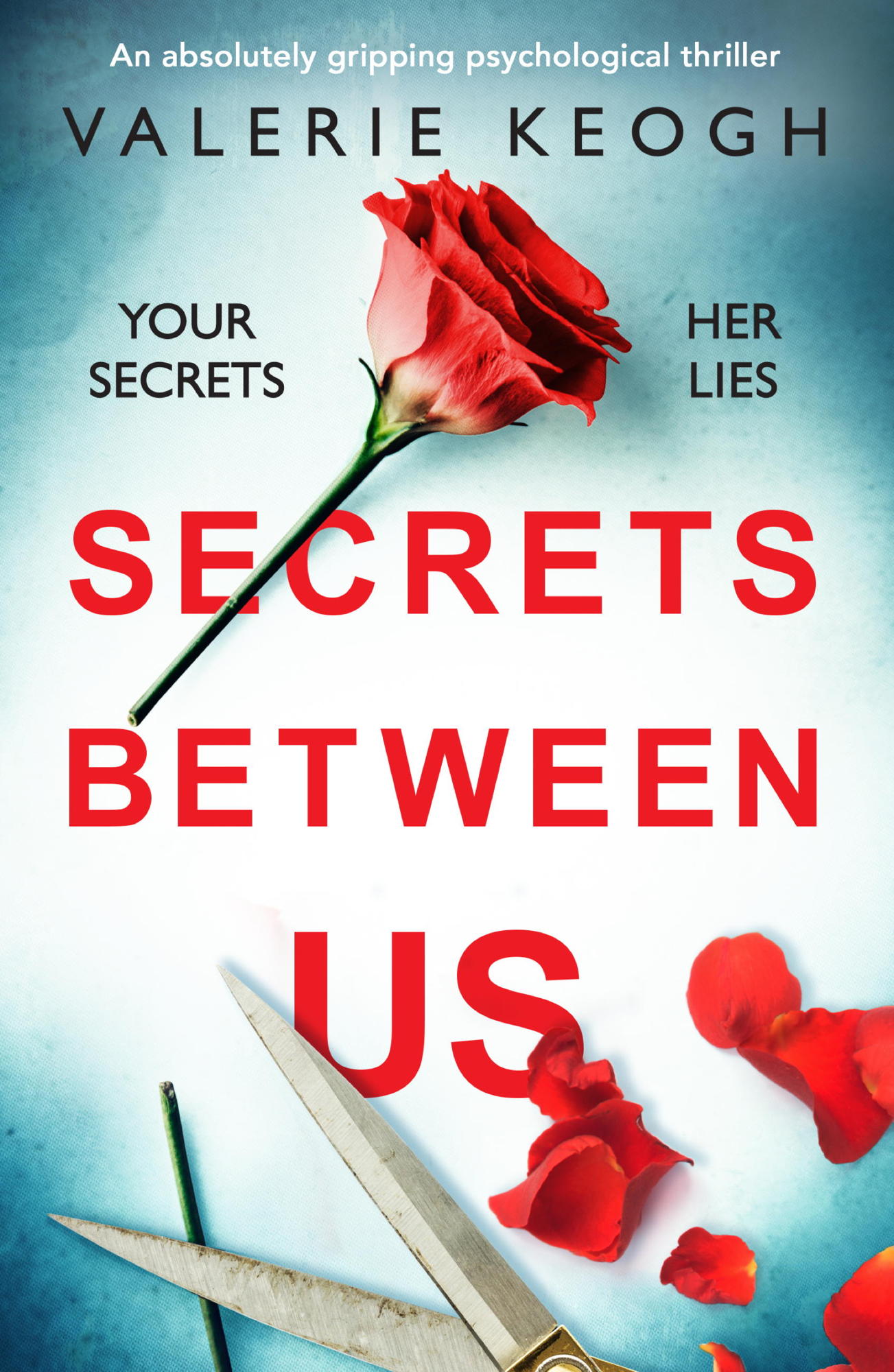
Secrets Between Us: An absolutely gripping psychological thriller
The Pout-Pout Fish

Going to School

The Book Club

The Silent Woman (Cat Carlisle, Book 1)

Feed Your Best Friend Better: Easy, Nutritious Meals and Treats for Dogs
Clean & Lean: 30 Days, 30 Foods, a New You!

Good Night, Little Blue Truck

Twinkle, Twinkle, Little Star (Indestructibles Series)

Settings
Reflow text when sidebars are open.
